Loading...
Writing
Thoughts on product management, building with AI, and learning in public.
The thesis
What happens when building software costs nothing?A 7-chapter argument on AI and software economics — the spine the rest of this writing hangs off.
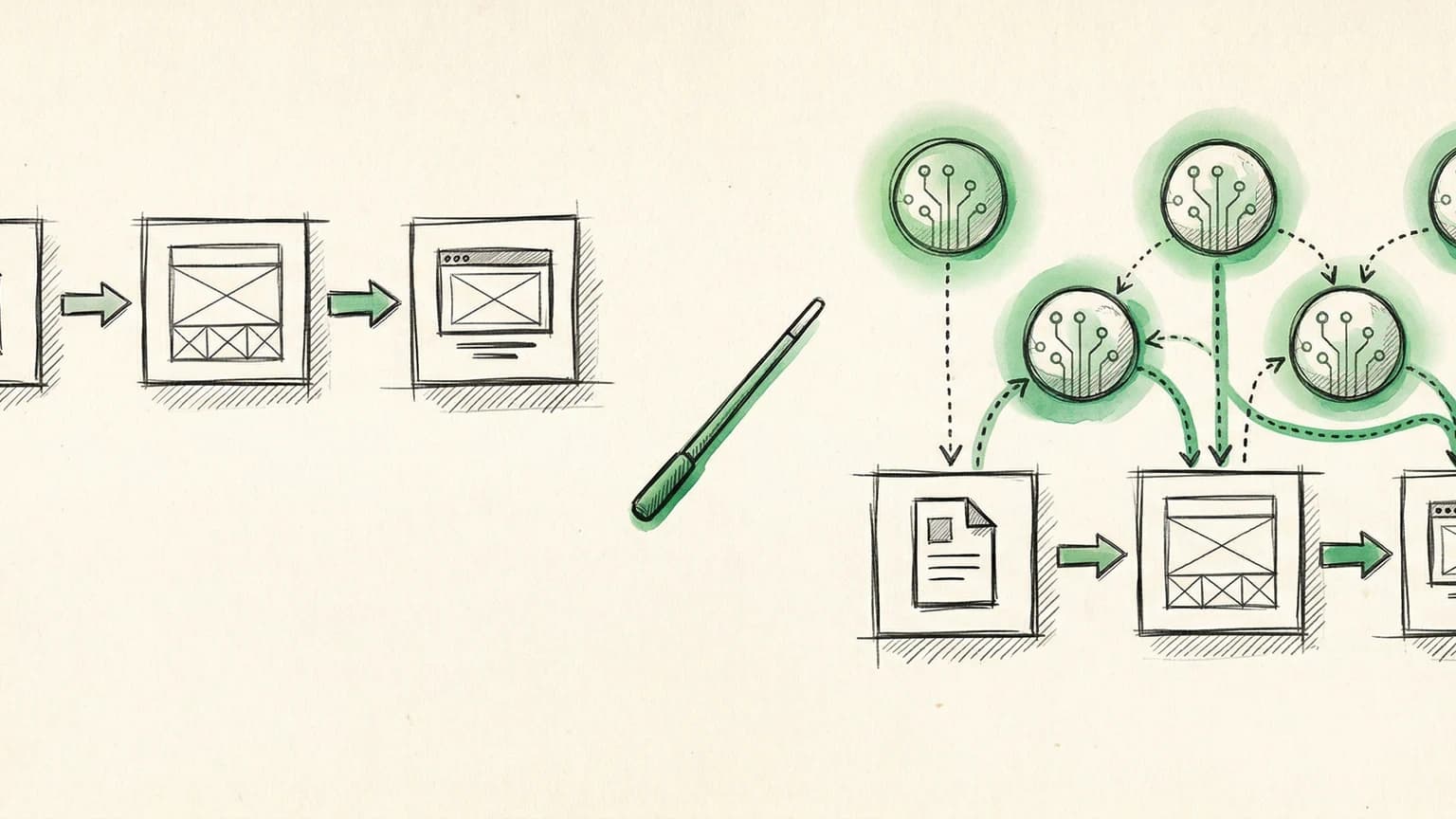
Design in the Age of Agents
Two transformations are underway in product design. The first is about process: new tools, new workflow, new role. The second is about environment: the products designers build now exist in a world where AI agents can modify, bypass, and route around them. Most coverage of AI and design focuses on the first. This piece covers both.
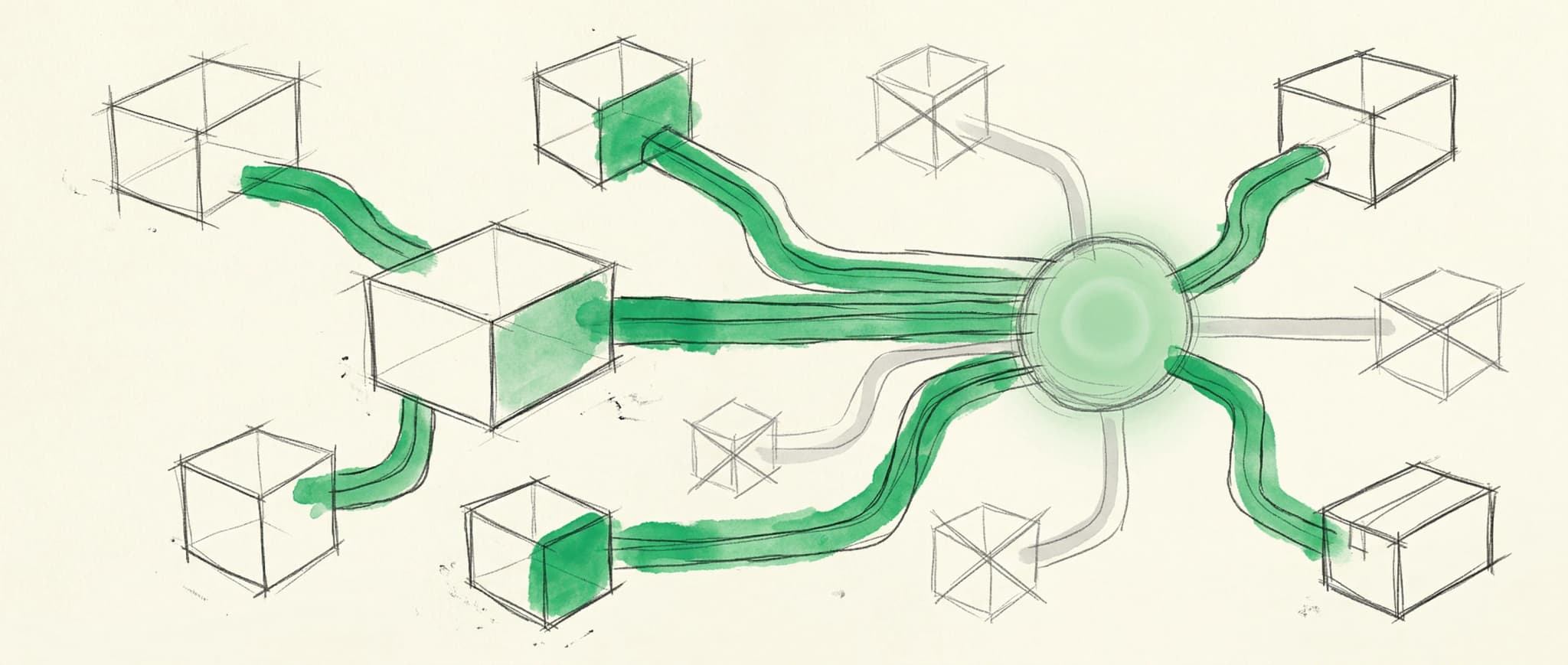
Context as Product
The products that will ride the AI wave aren't building better chatbots. They're making specific types of context frictionless to collect and frictionless to share. A framework for thinking about where that opportunity is and how it plays out.
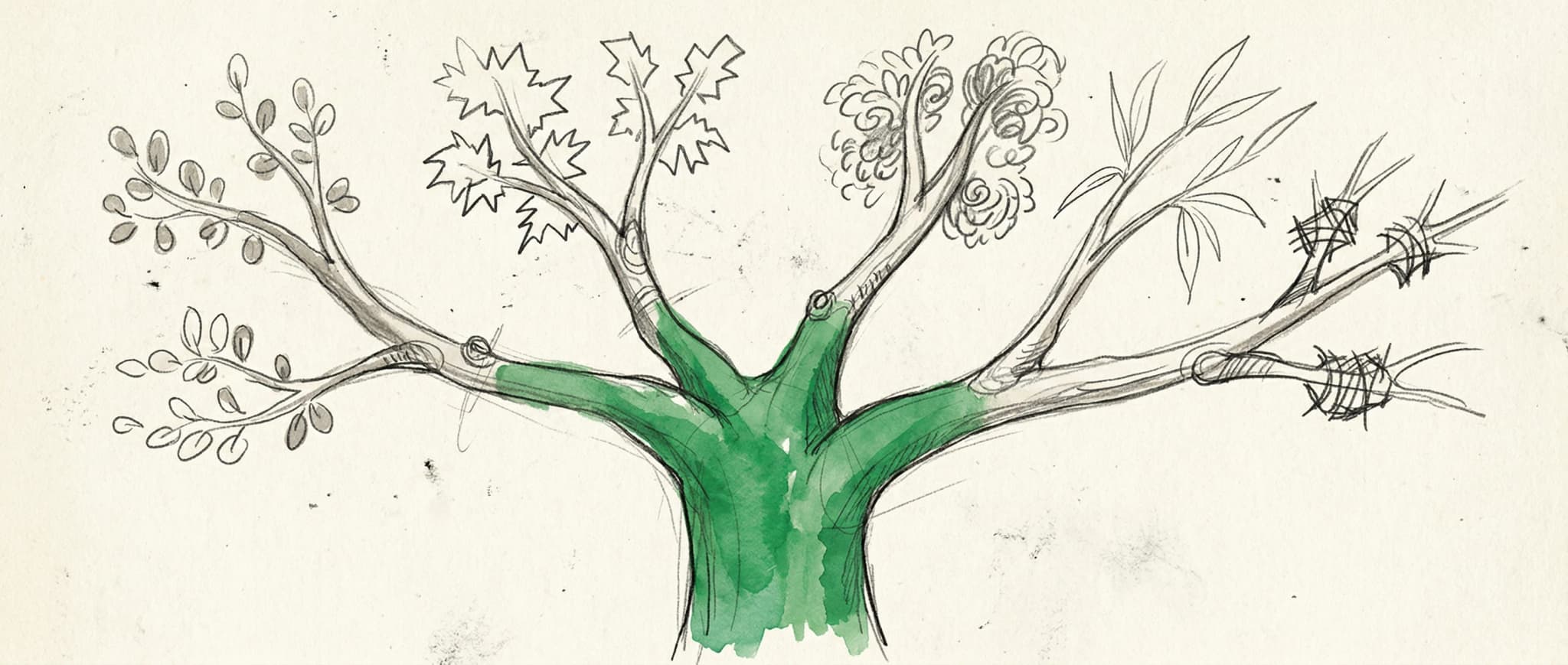
The Re-Rise of Remix Culture
SaaS averaged everyone's needs into one product. Personal software goes the other direction. One tool, one person, built right. The interesting part is what happens when you open-source what you built for yourself.

When Your Users Rebuild Your Product
When users start patching your product with coding agents, that is not a threat. It is the clearest signal you will get about what they need, delivered with a working prototype attached.
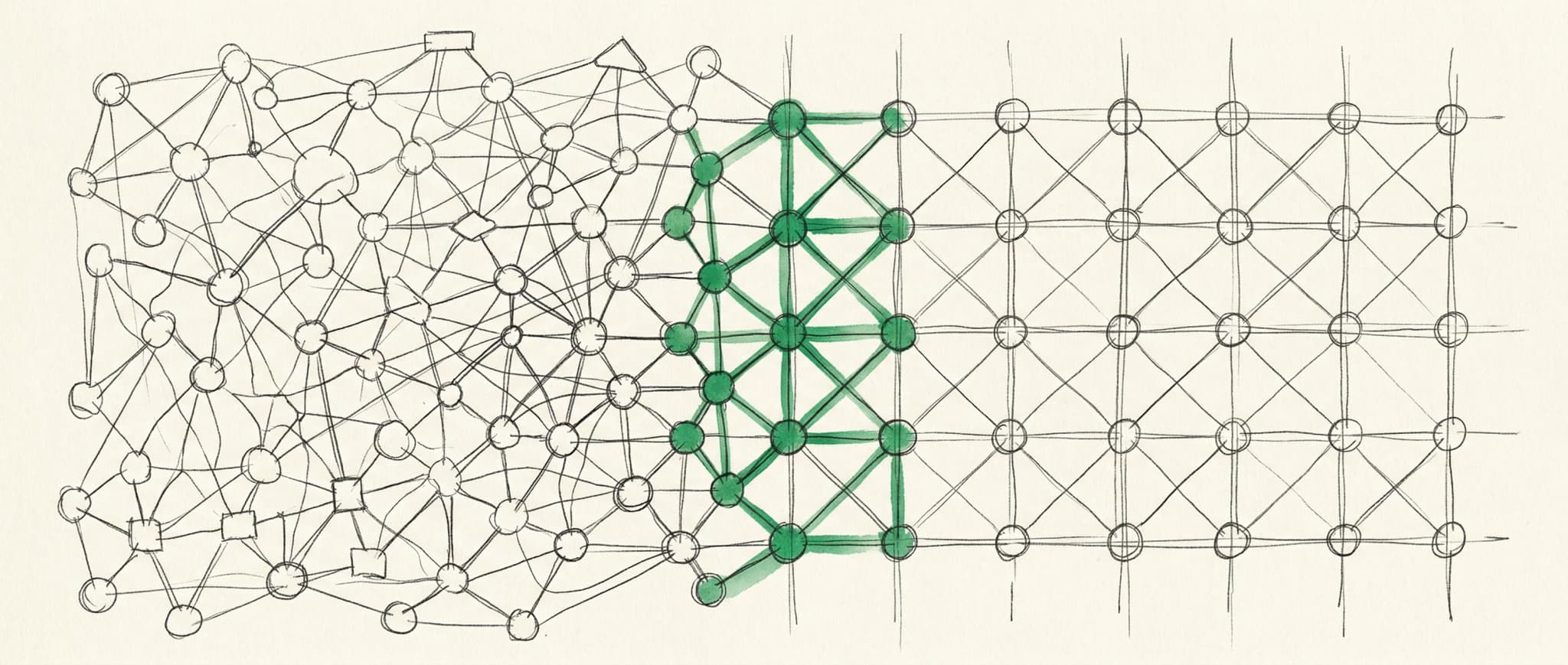
Enterprise AI Is Not a Software Deployment Problem
Most organizations treat AI adoption as a procurement problem. It is a systems problem. Three thinkers explain why implementation usually fails and what success looks like from the inside.
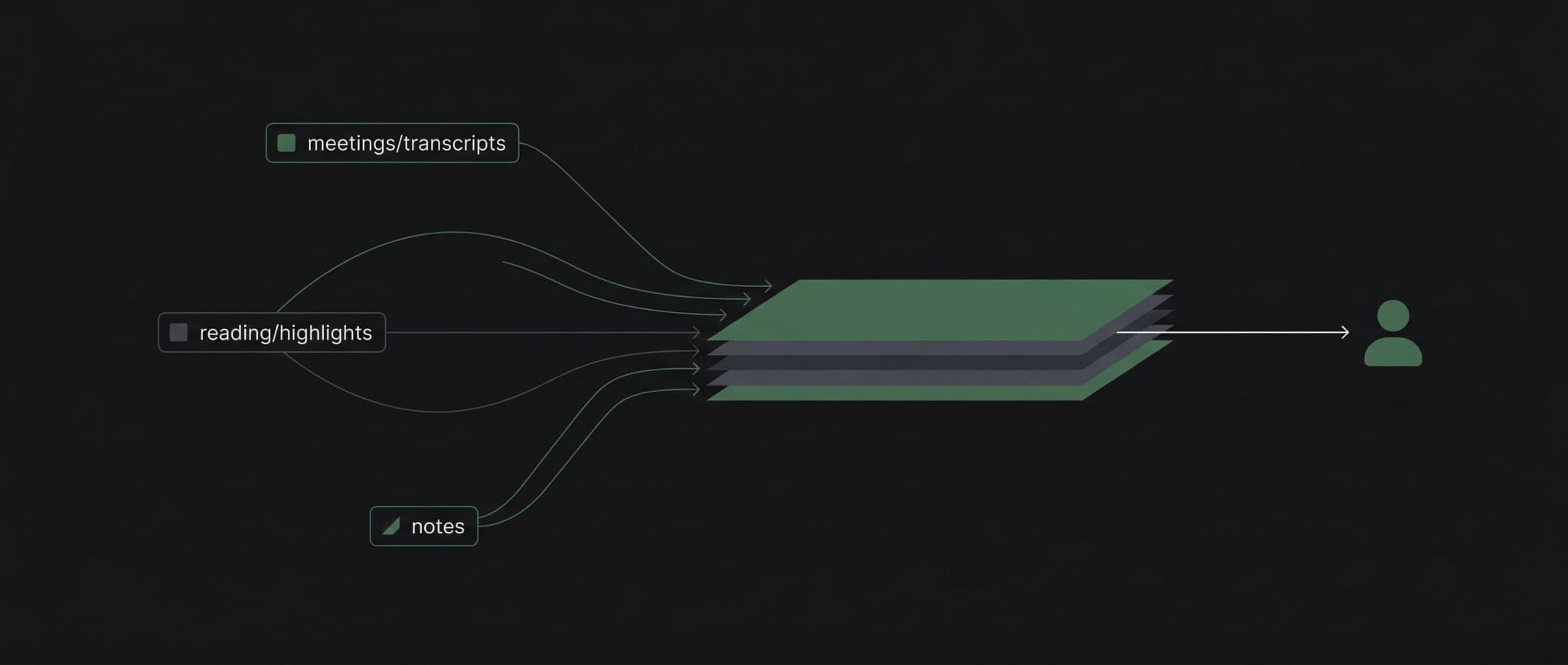
Owning the Context Layer
Some products have built themselves around capturing context that AI cannot derive on its own. What they are actually doing, and why portability is the moat.
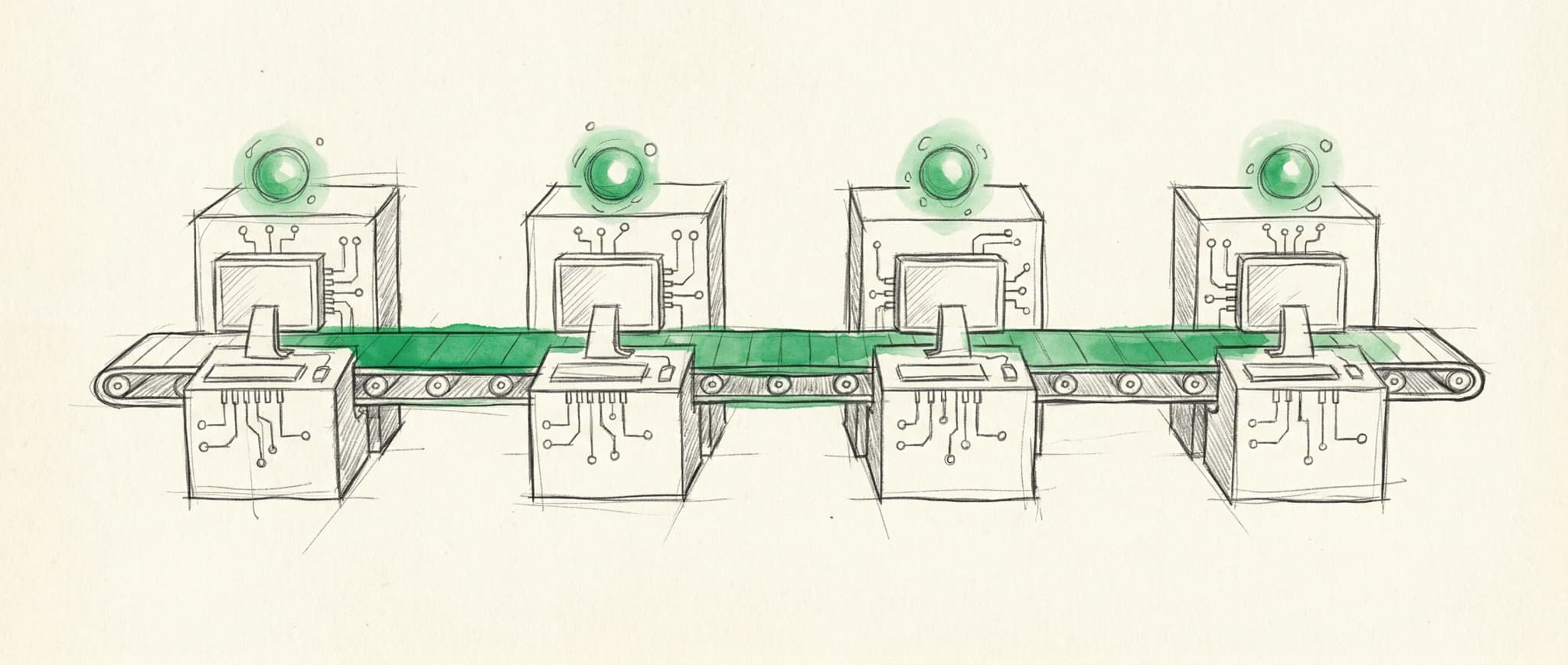
The AI Coding Factory Playbook
Every major engineering organization that has published its agent architecture made the same foundational choice: give agents a real development environment. Here is what they built, and how to replicate it.
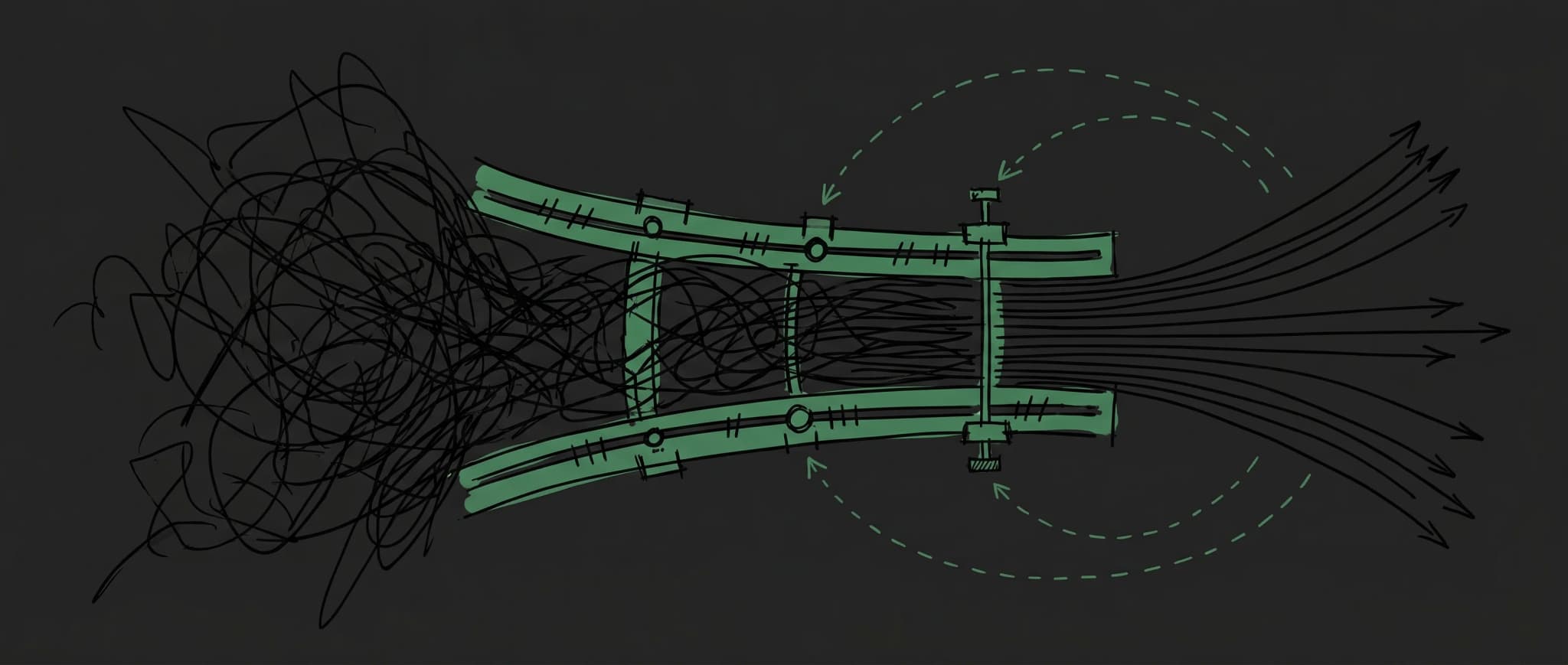
Harness Engineering from the Product Side
OpenAI formalized "harness engineering," the design of constraints and feedback loops for AI agents. I've been doing this from the product side for a year. Here's what the engineering framing misses.
Boil the Oceans
Everyone says "don''t boil the ocean." That advice assumed the cost of ambition stayed high. It doesn''t anymore.
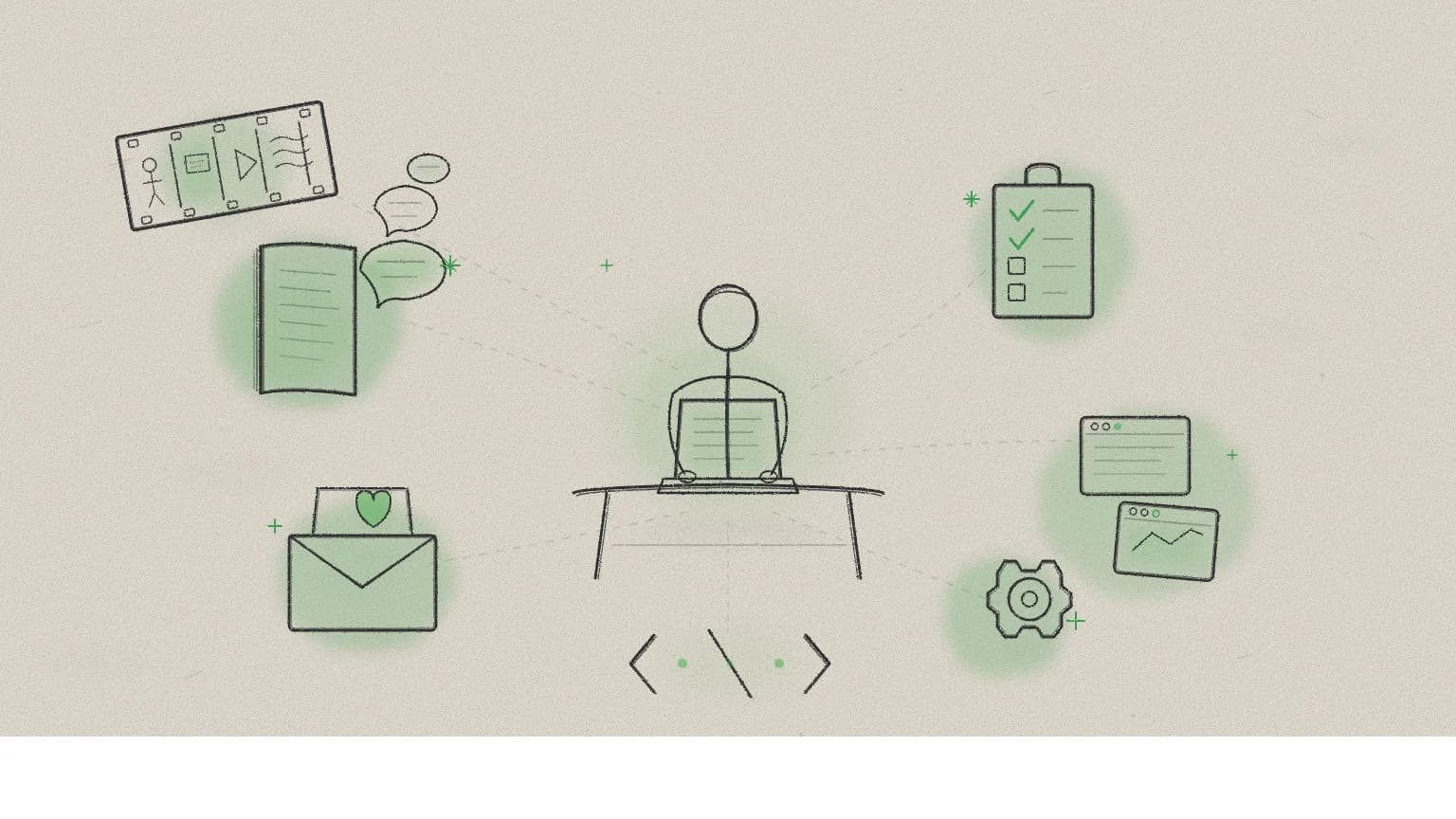
Ctrl-Alt-Elite
Book Bot and the Case for Personal Software
A designer with no coding background built a personalized book recommendation engine in eight hours. Not for a client. Not for a startup. For herself.
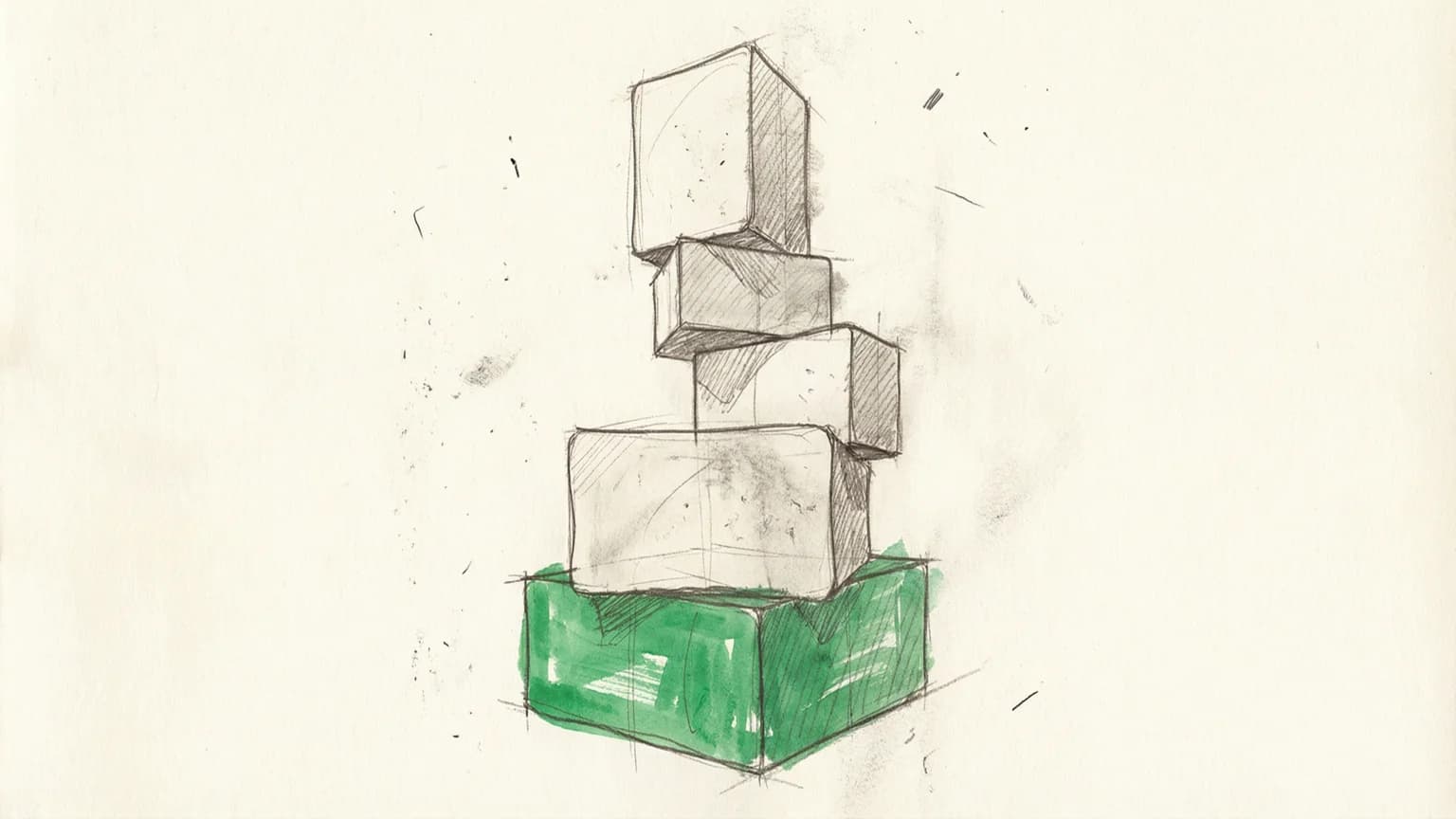
Architecture Beats UX: Root Cause Diagnosis in Product
Most teams optimize UI when the problem is system structure.
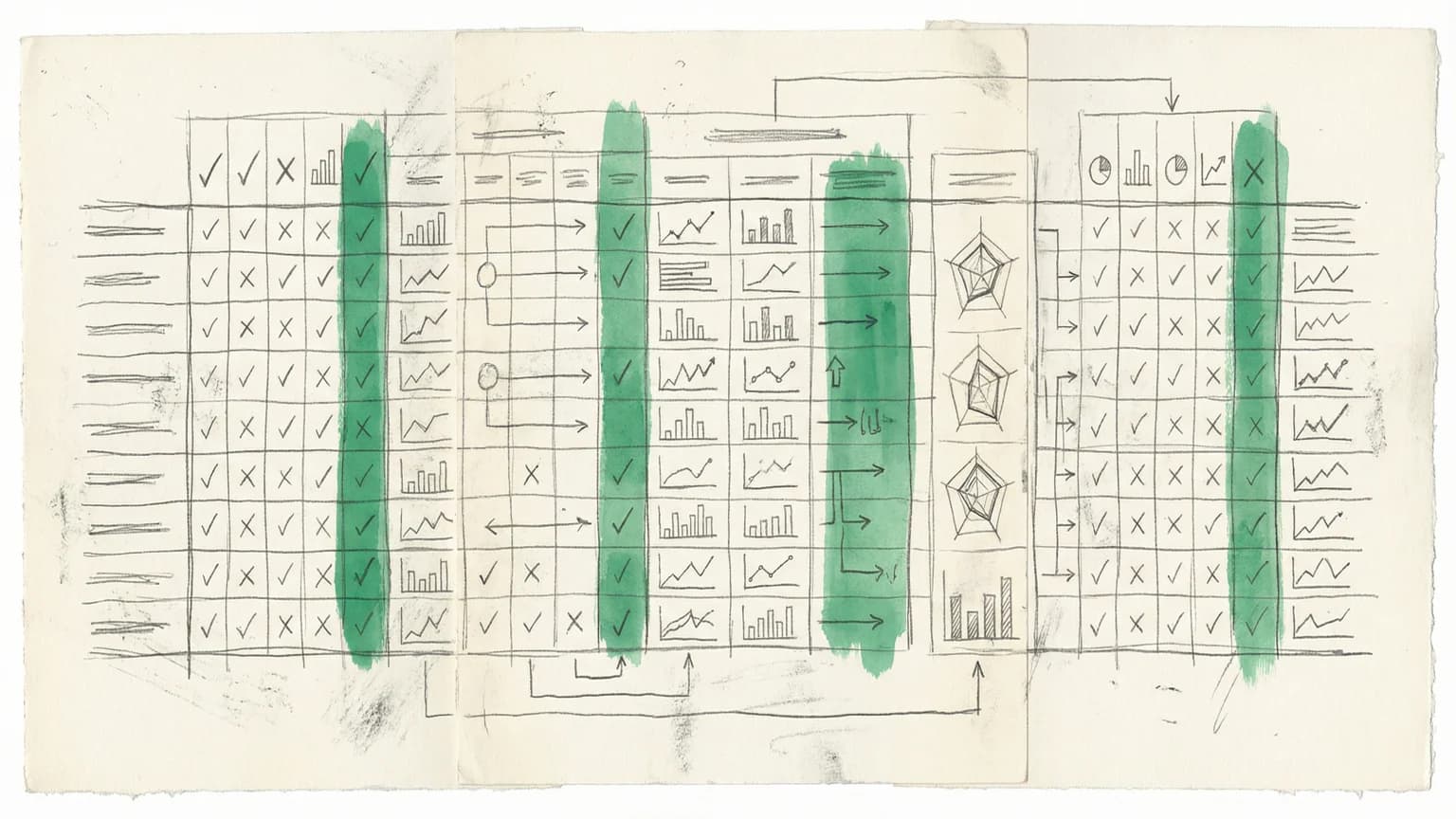
Scoring Systems as Strategy
How explicit weights expose hidden assumptions and make better decisions at scale.
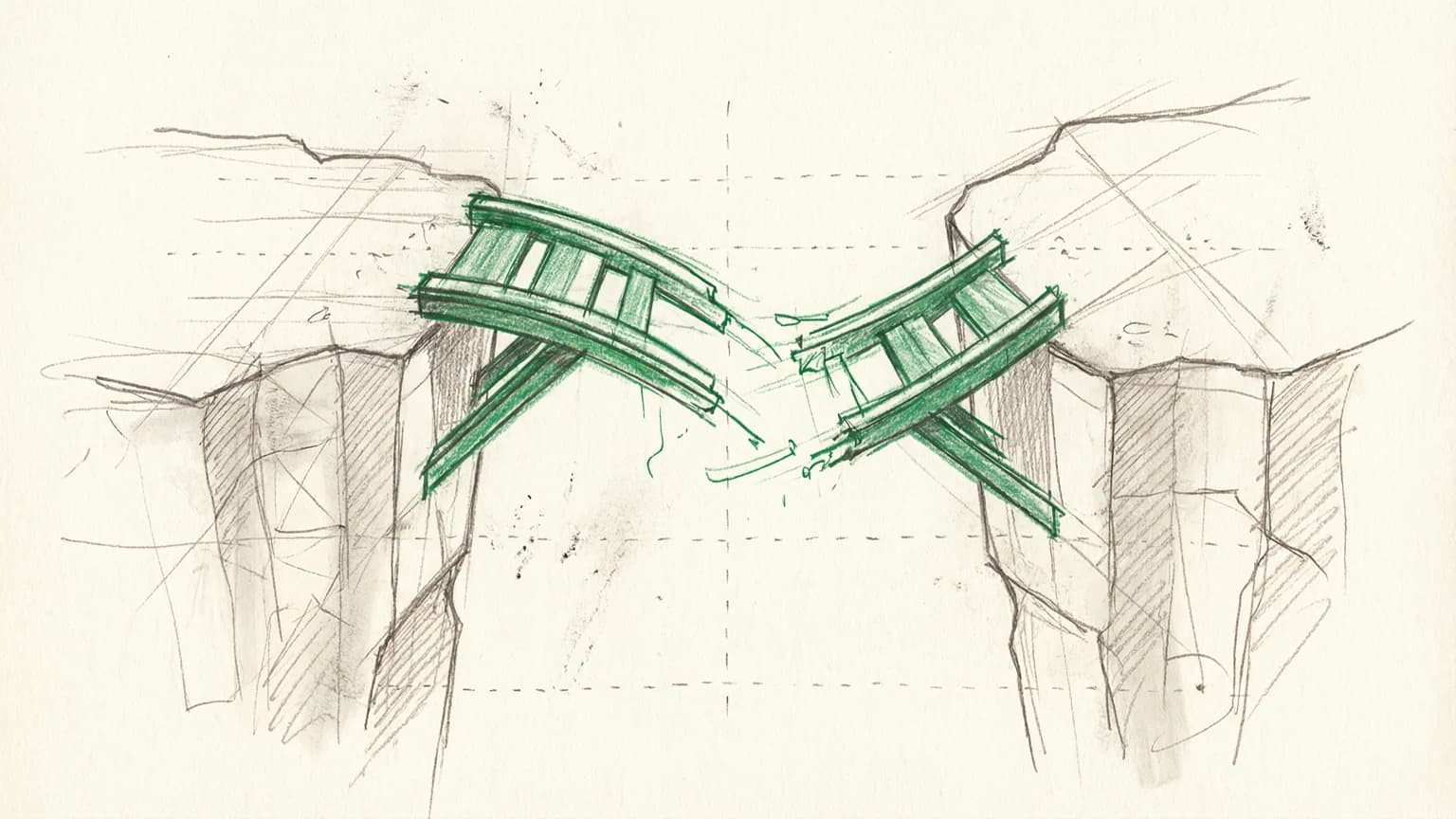
The Demo-Adoption Gap
VCs fund demos. Organizations fail because demos dont translate to daily use.

Designing for Creative Professionals Differently
Creative professionals have emotional stakes in their tools. Design for that.
The Organizational Memory Crisis
Discovery sessions get repeated. Decisions get unmade. Here is how to fix it.
The Hidden Complexity of Scaling AI-Assisted Development
The tools that make individuals productive with AI can actively harm team collaboration if not redesigned for sharing. Here's a framework for getting it right.
Why Automation Failed: The Human-in-the-Loop Thesis
The industry bet on removing humans. The systems that actually work do the opposite.
How I Built a 40% Response Rate with Multi-Dimensional Scoring
Multi-dimensional scoring with configurable weights beats gut feel every time. Here's the pattern I used to improve my job search response rate from 5% to 40%.
I Open-Sourced My Job Search System
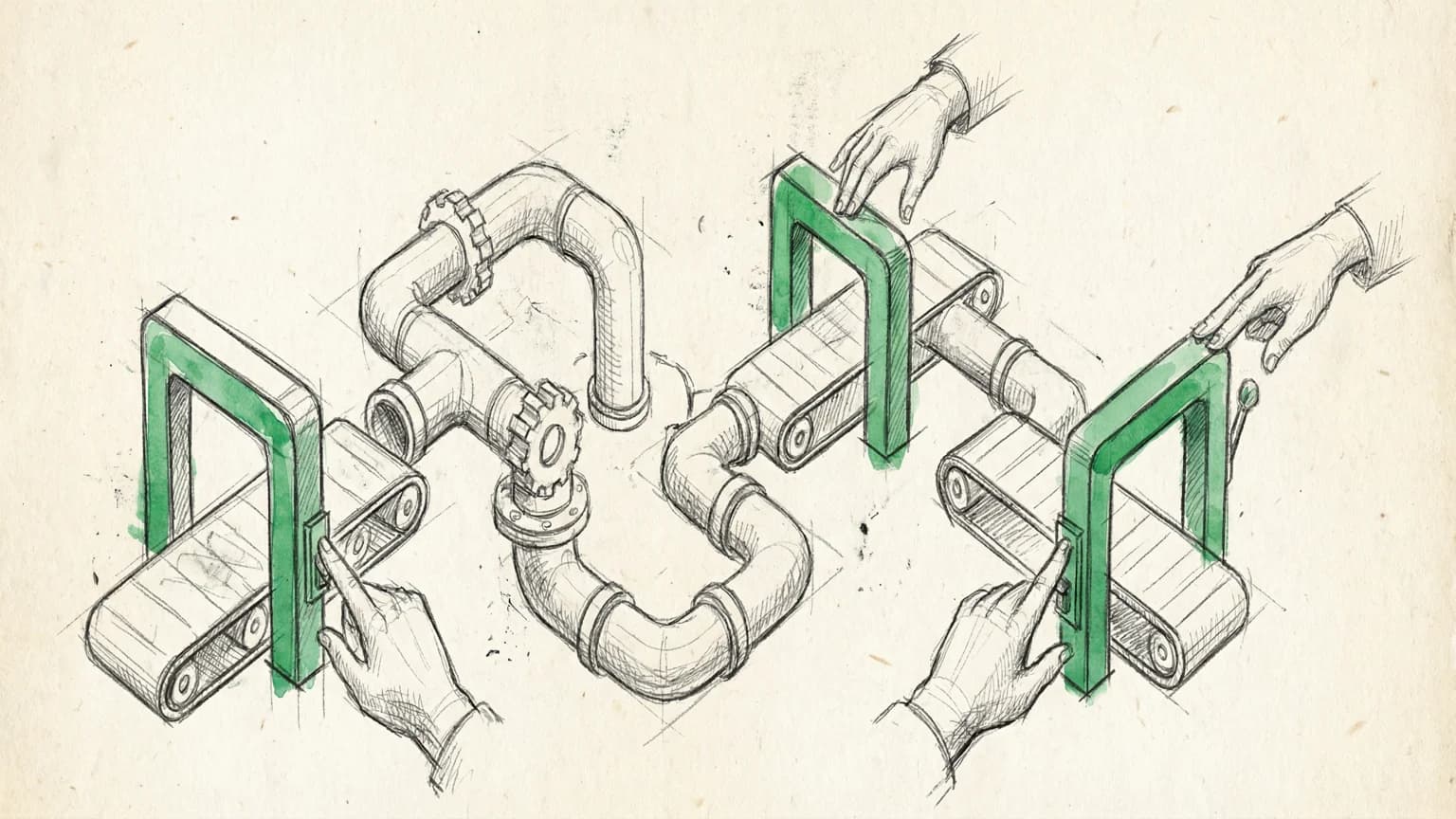
I built a CLI that turns Claude Code into a job search co-pilot. It qualifies listings, researches companies, and drafts applications—all with human approval at every step.
Ctrl-Alt-Elite
Introducing Control Alt Elite
Control Alt Elite is a small working group I started to make AI exploration practical and social—less "AI inspiration theater," more "I used this on real work and it saved me time.
How I Built This Website
How I built samzoloth.com using Next.js, Claude Code, and an obsessive attention to interaction design.
How I Turned Claude Code into an Autonomous Operating System
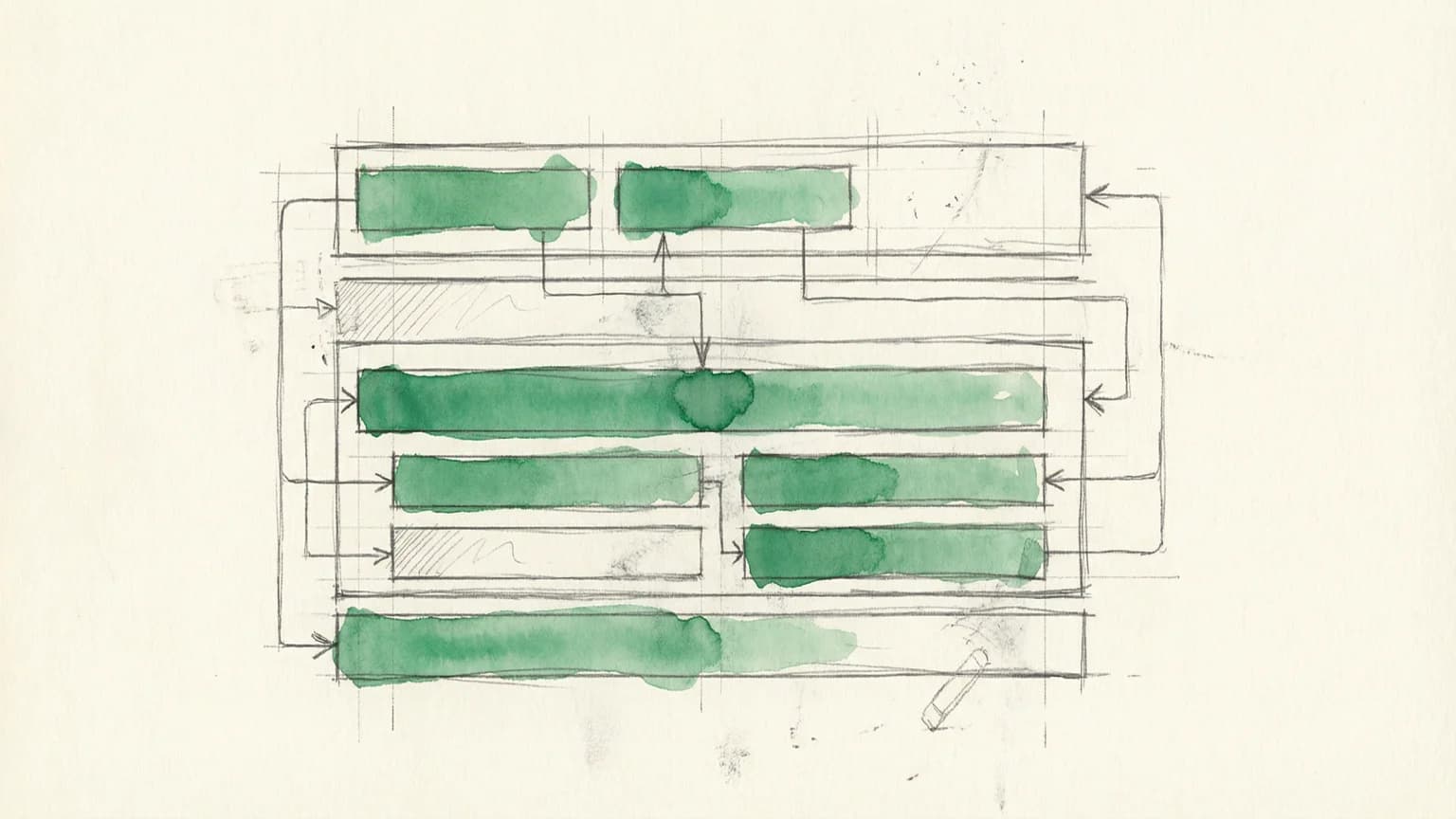
How I built a personal AI infrastructure around Claude Code that learns my preferences, runs background automation, and coordinates multiple agents.
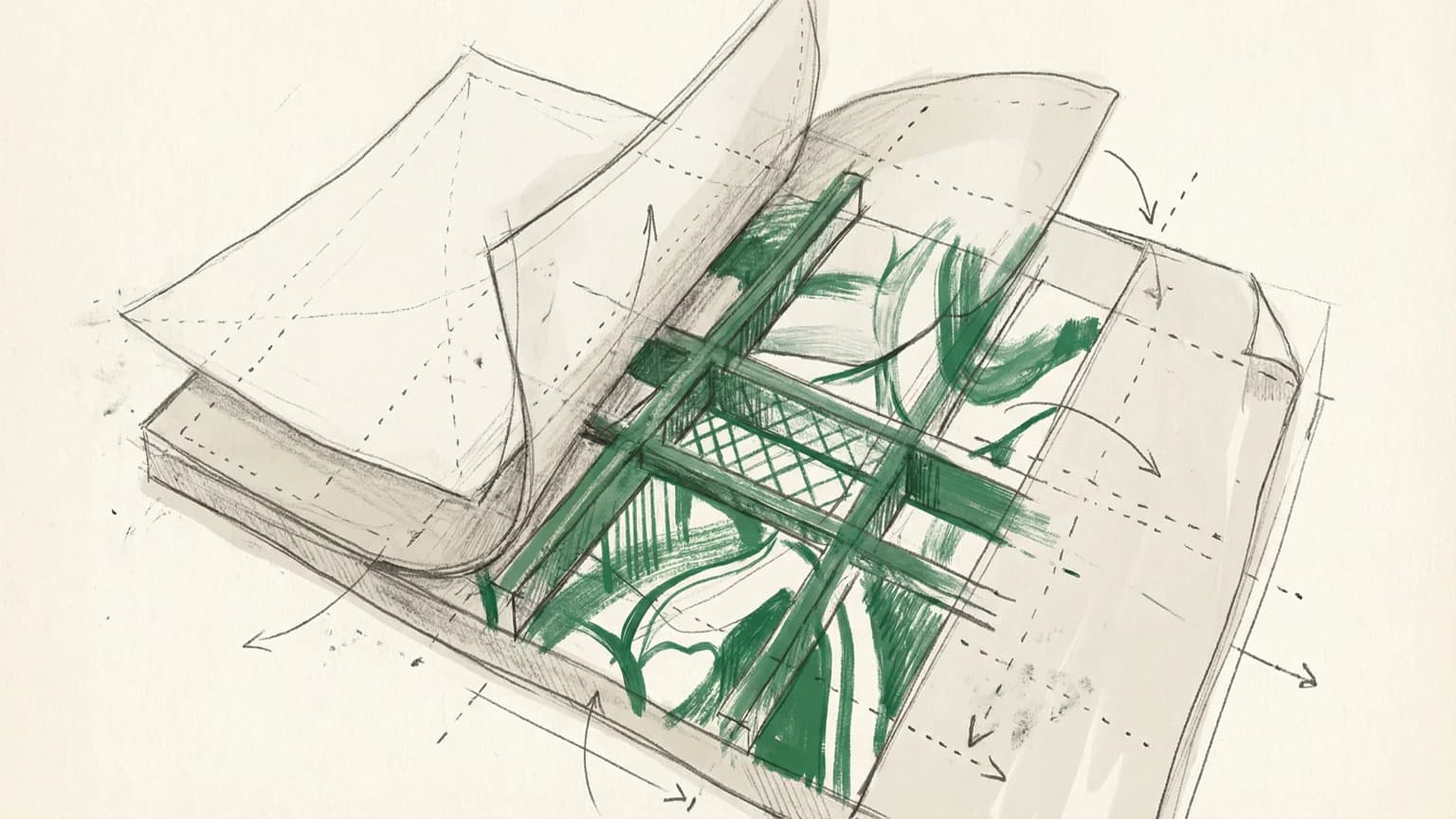
Making of the DreamWorks Case Study
The challenges of documenting a live engagement, balancing confidentiality with storytelling, and the technical decisions behind embedded prototypes.
Release Notes
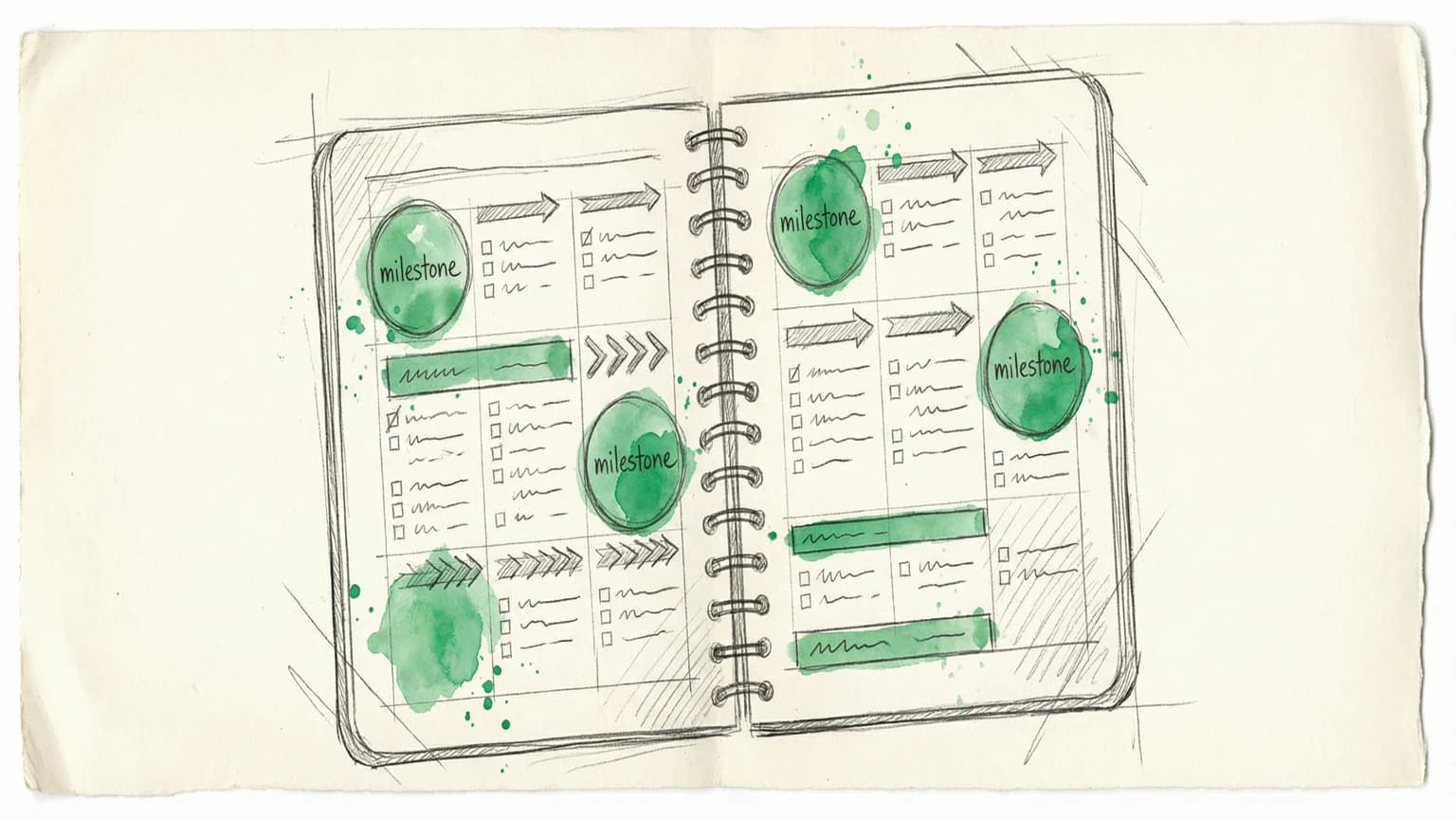
Release Notes: Week 4
Claudio voice assistant, Pastey clipboard manager, shopping cart prototype, and 57 Claude sessions.
Ctrl-Alt-Elite
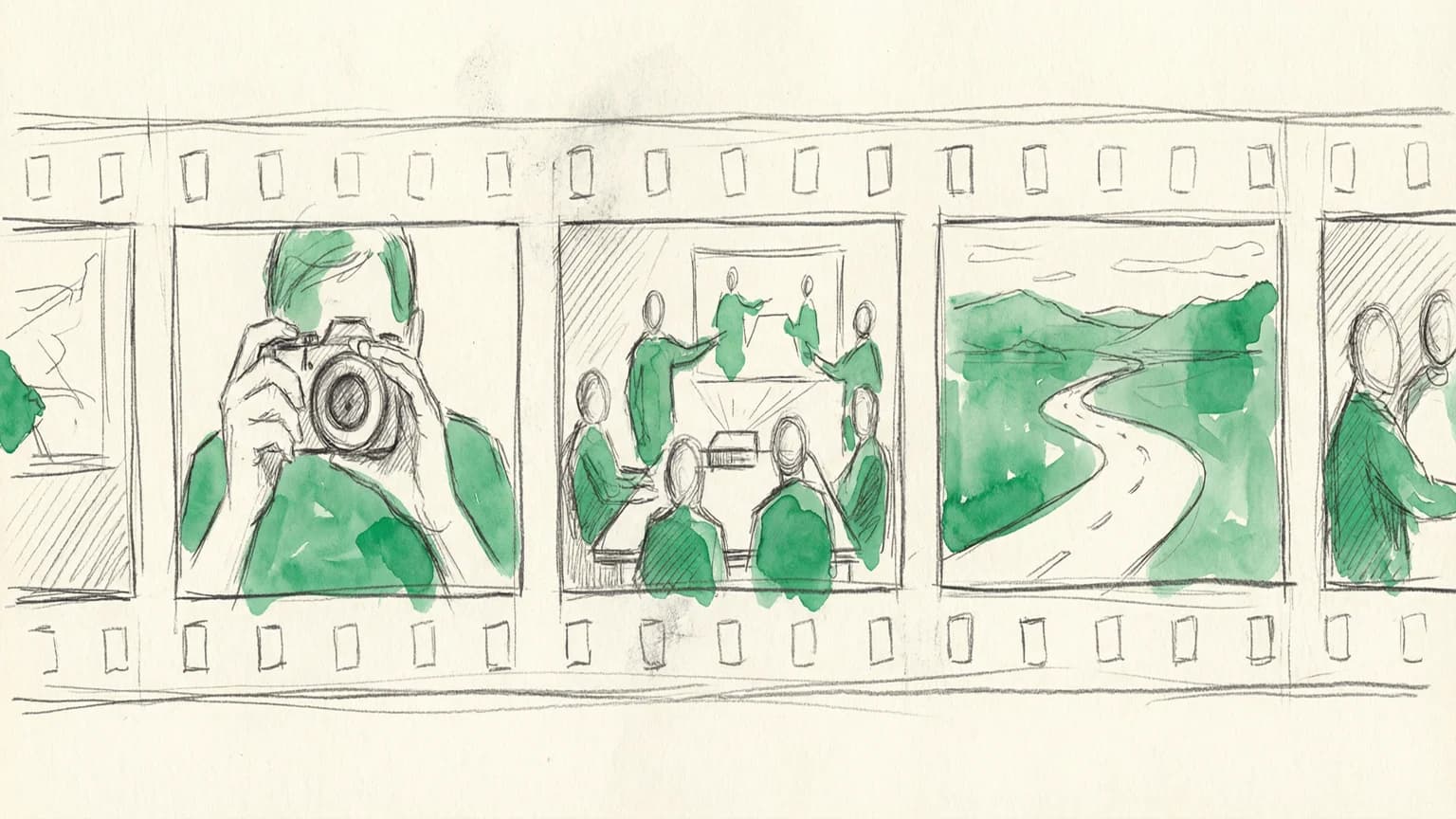
The Keyframe Model: A Better Way to Pitch AI Projects
Dave McMahon's storyboard approach to AI pitches, and why boxes-and-arrows diagrams have already lost.
Release Notes
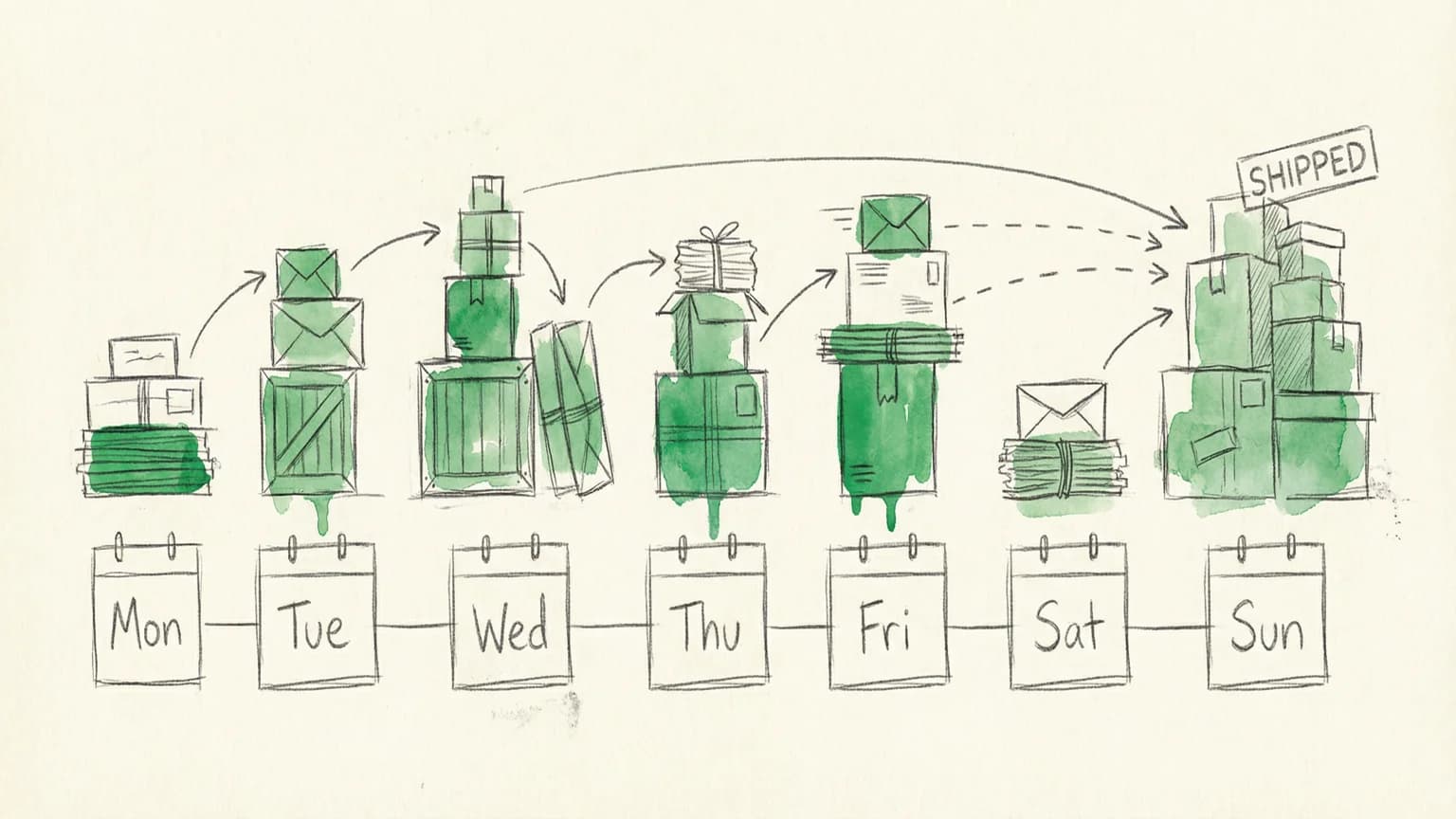
Release Notes: Week 52
Personal site launch sprint and setting the team up for success during my time off.
Release Notes
Release Notes: Week 51
Personal site from scratch and translating stakeholder needs into actionable backlog.