Loading...
Writing
Thoughts on product management, building with AI, and learning in public.
The thesis
What happens when building software costs nothing?A 7-chapter argument on AI and software economics — the spine the rest of this writing hangs off.
Thoughts on product management, building with AI, and learning in public.
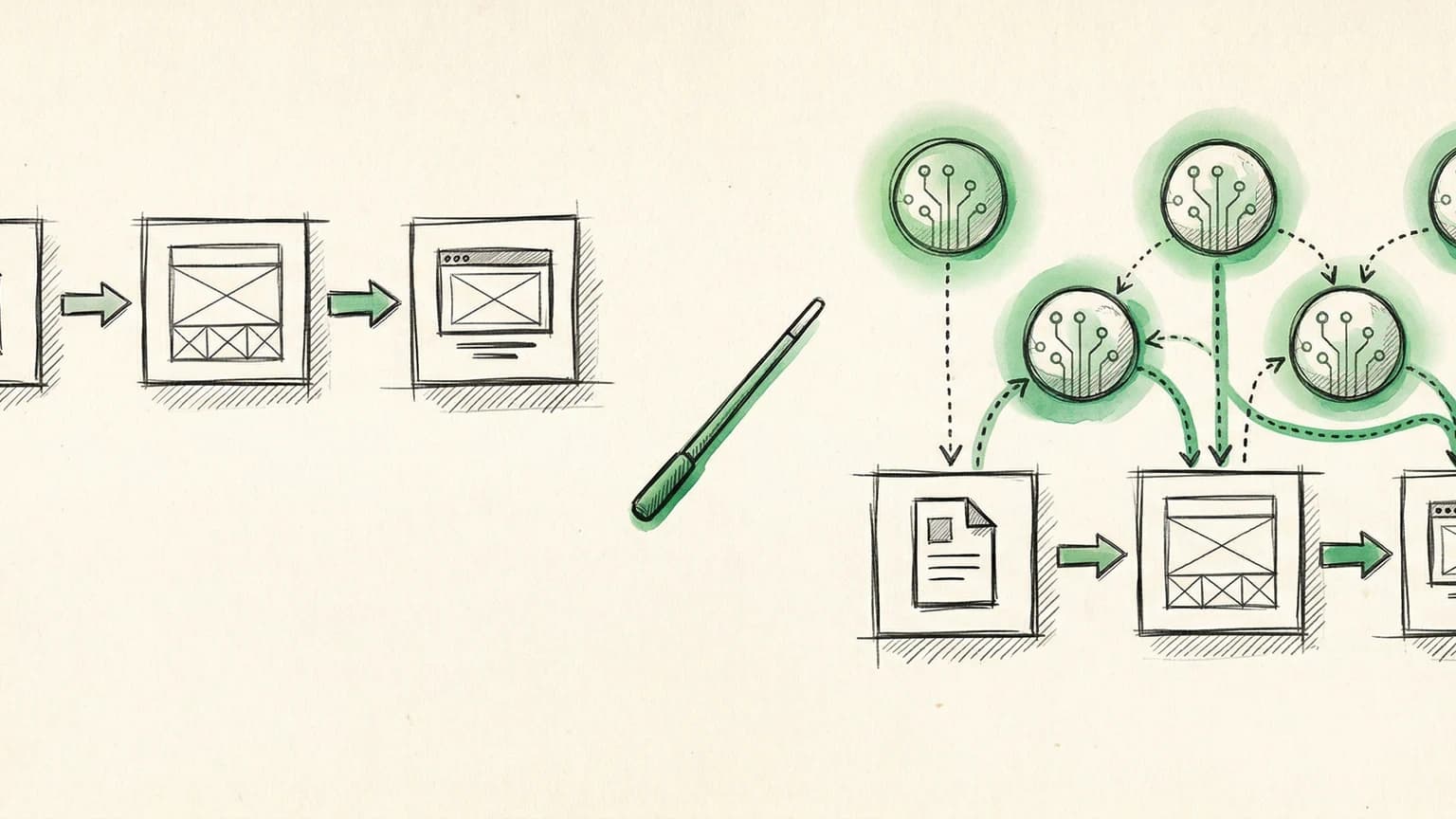
Design in the Age of Agents
Two transformations are underway in product design. The first is about process: new tools, new workflow, new role. The second is about environment: the products designers build now exist in a world where AI agents can modify, bypass, and route around them. Most coverage of AI and design focuses on the first. This piece covers both.
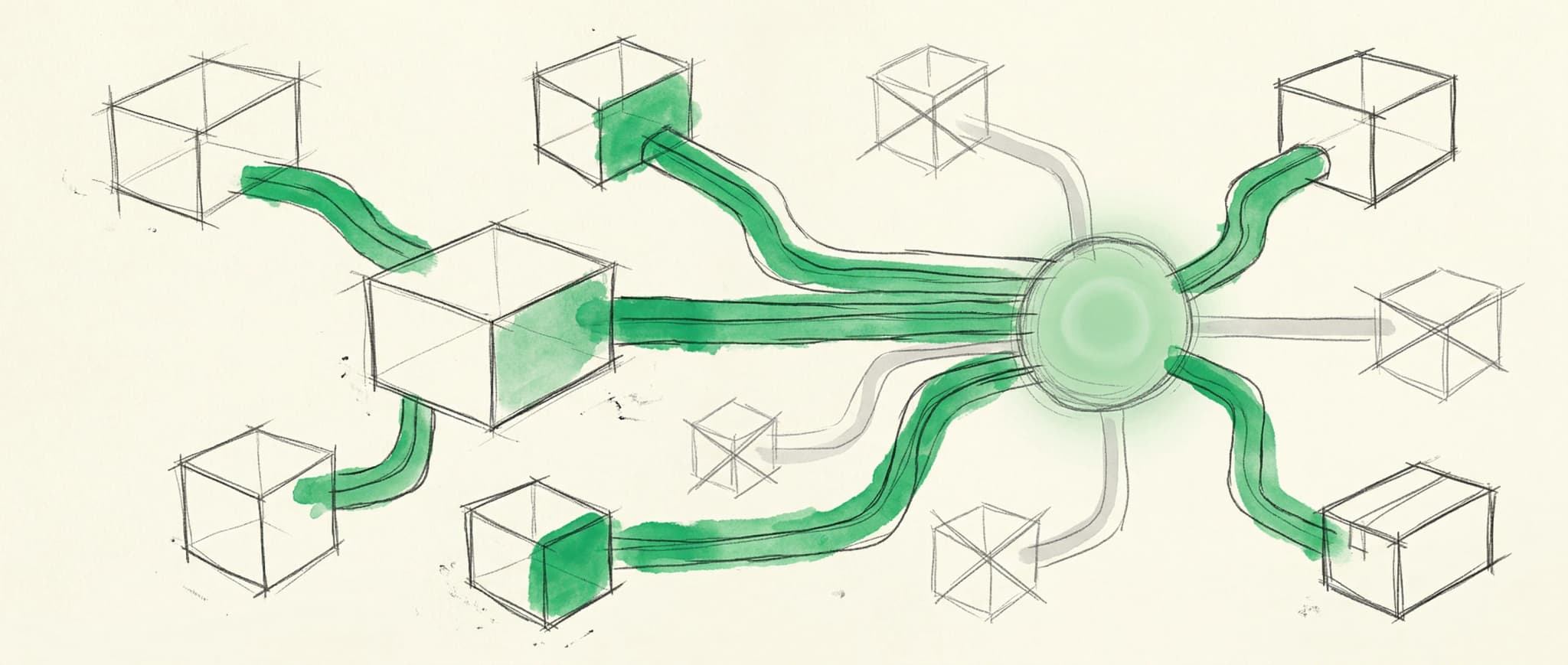
Context as Product
The products that will ride the AI wave aren't building better chatbots. They're making specific types of context frictionless to collect and frictionless to share. A framework for thinking about where that opportunity is and how it plays out.
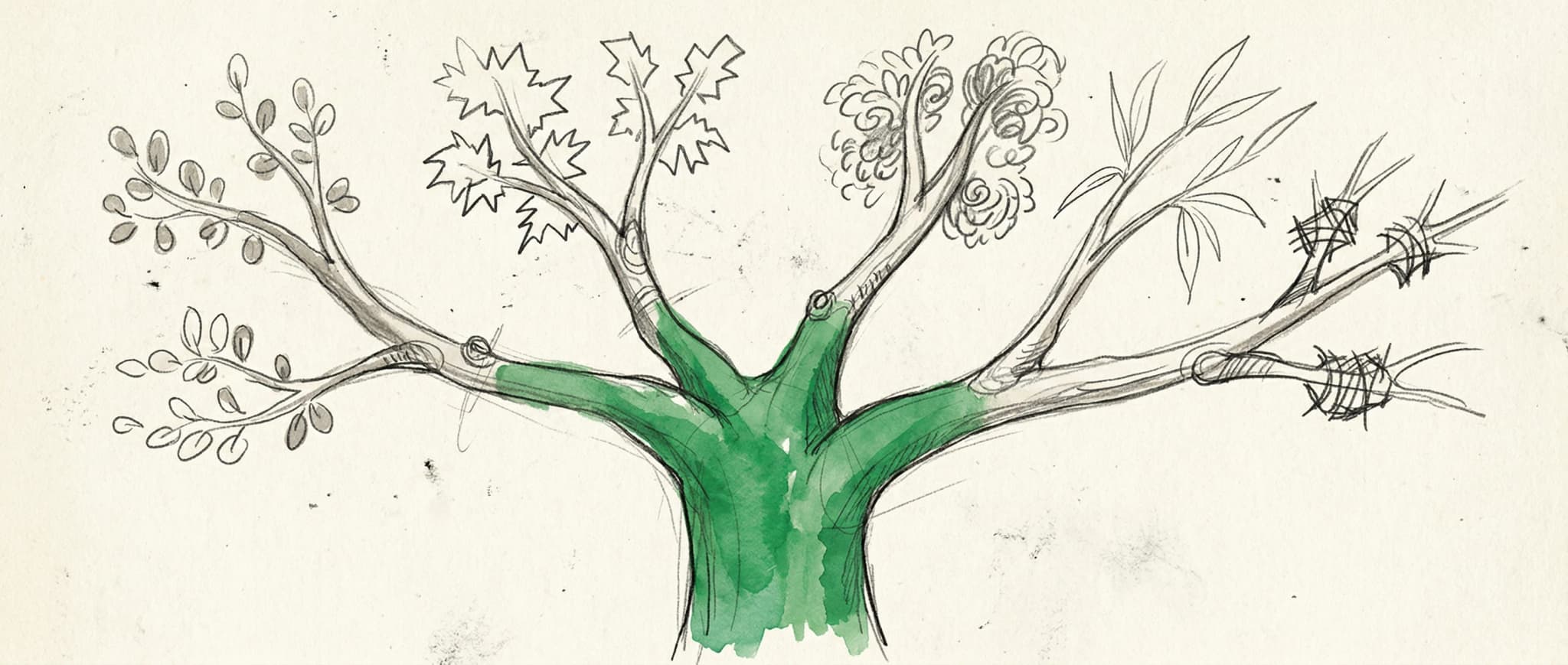
The Re-Rise of Remix Culture
SaaS averaged everyone's needs into one product. Personal software goes the other direction. One tool, one person, built right. The interesting part is what happens when you open-source what you built for yourself.

When Your Users Rebuild Your Product
When users start patching your product with coding agents, that is not a threat. It is the clearest signal you will get about what they need, delivered with a working prototype attached.
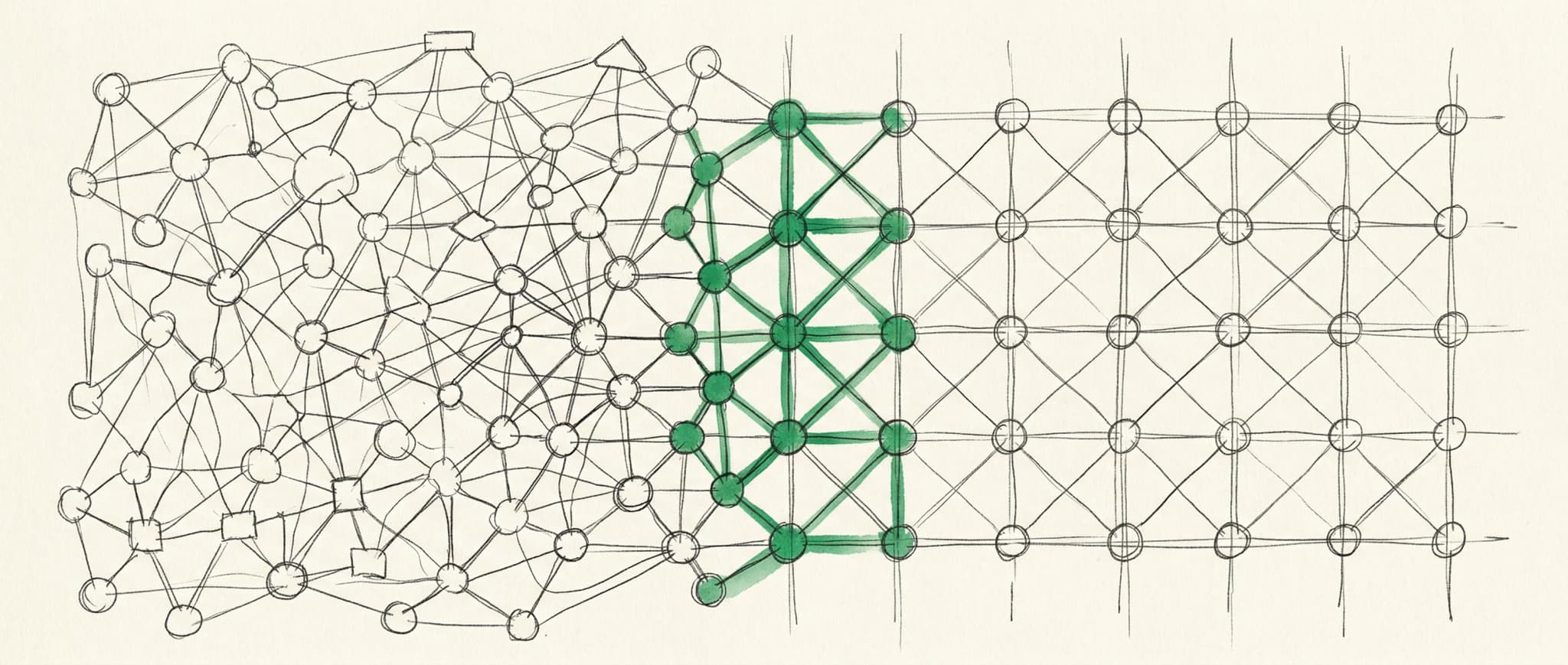
Enterprise AI Is Not a Software Deployment Problem
Most organizations treat AI adoption as a procurement problem. It is a systems problem. Three thinkers explain why implementation usually fails and what success looks like from the inside.
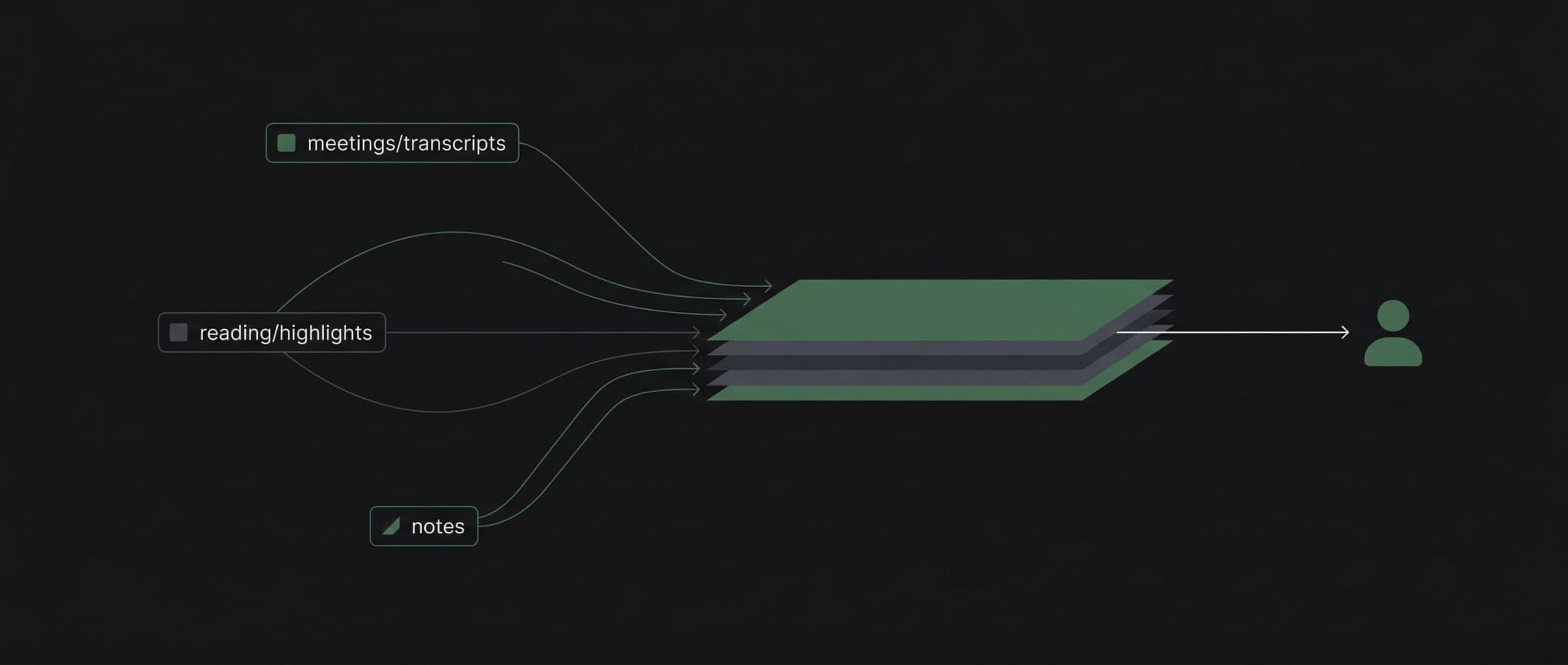
Owning the Context Layer
Some products have built themselves around capturing context that AI cannot derive on its own. What they are actually doing, and why portability is the moat.
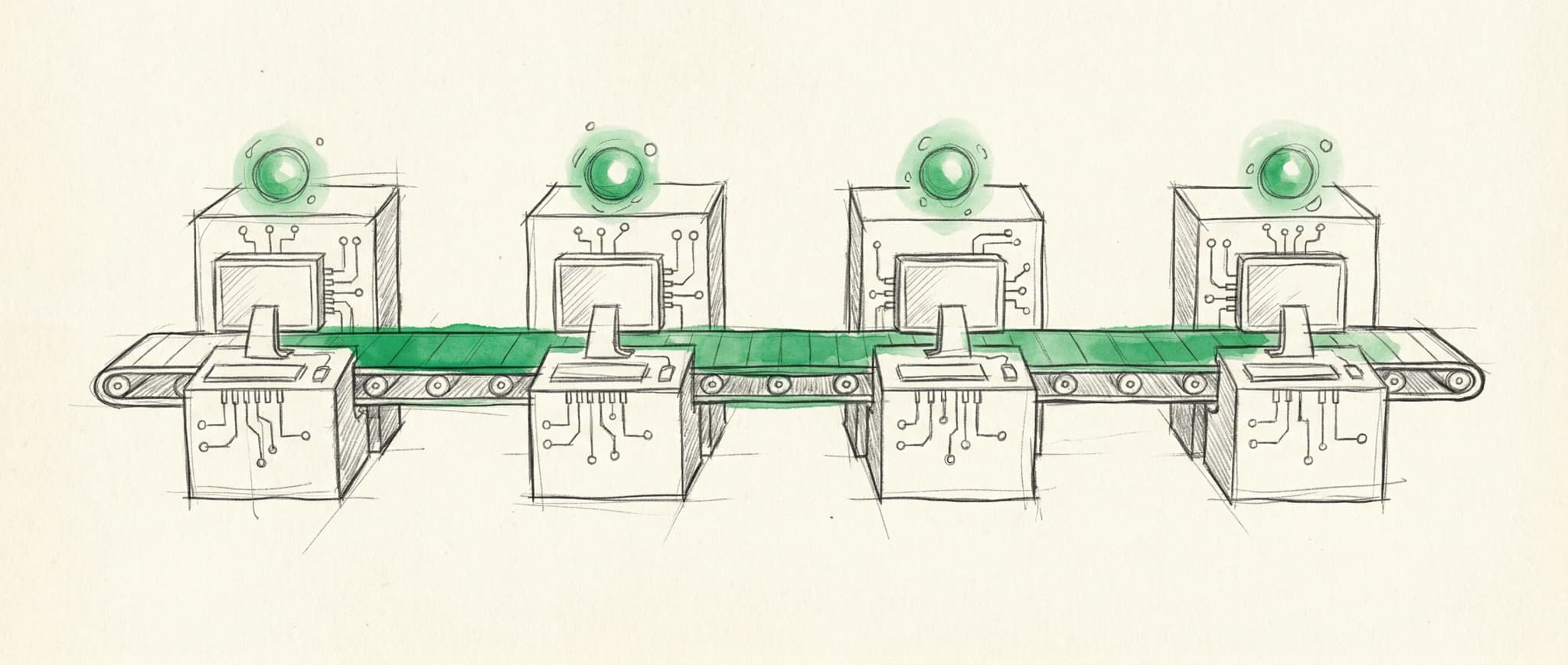
The AI Coding Factory Playbook
Every major engineering organization that has published its agent architecture made the same foundational choice: give agents a real development environment. Here is what they built, and how to replicate it.
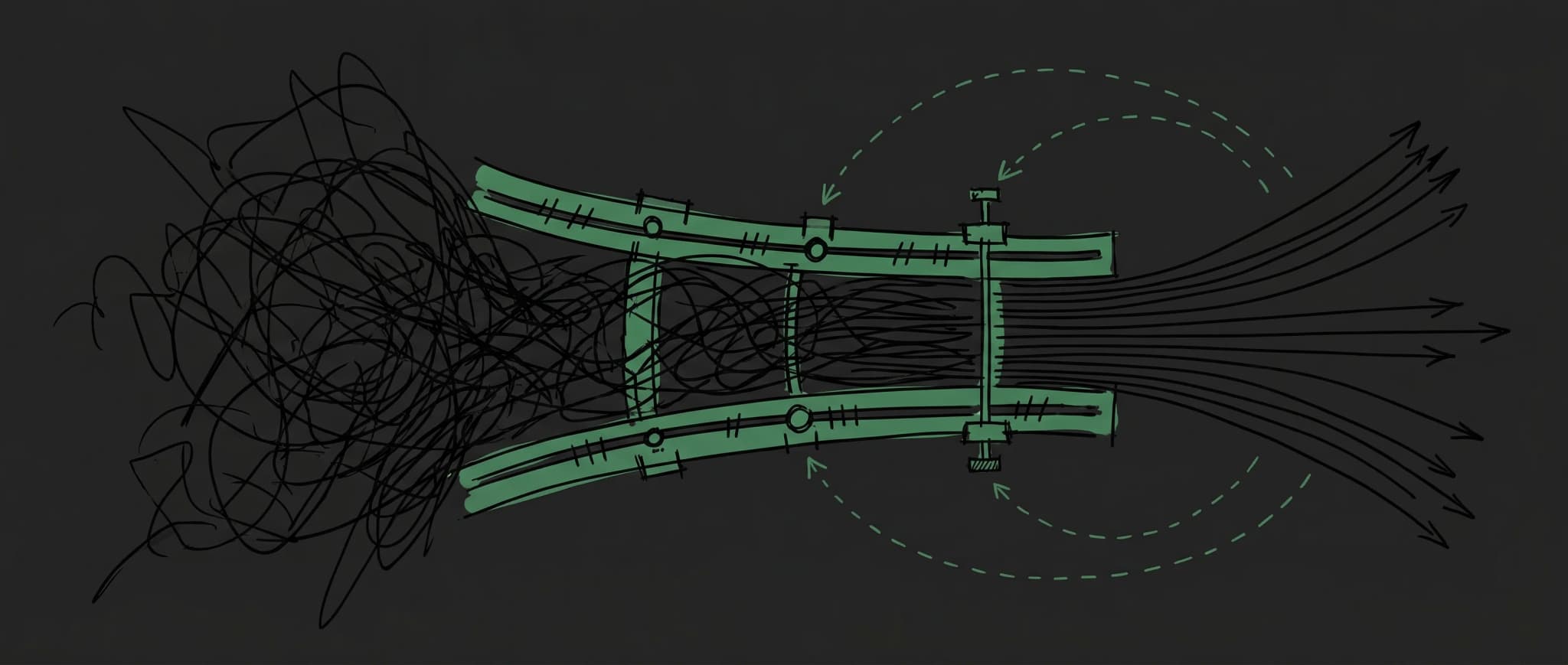
Harness Engineering from the Product Side
OpenAI formalized "harness engineering," the design of constraints and feedback loops for AI agents. I've been doing this from the product side for a year. Here's what the engineering framing misses.
Boil the Oceans
Everyone says "don''t boil the ocean." That advice assumed the cost of ambition stayed high. It doesn''t anymore.
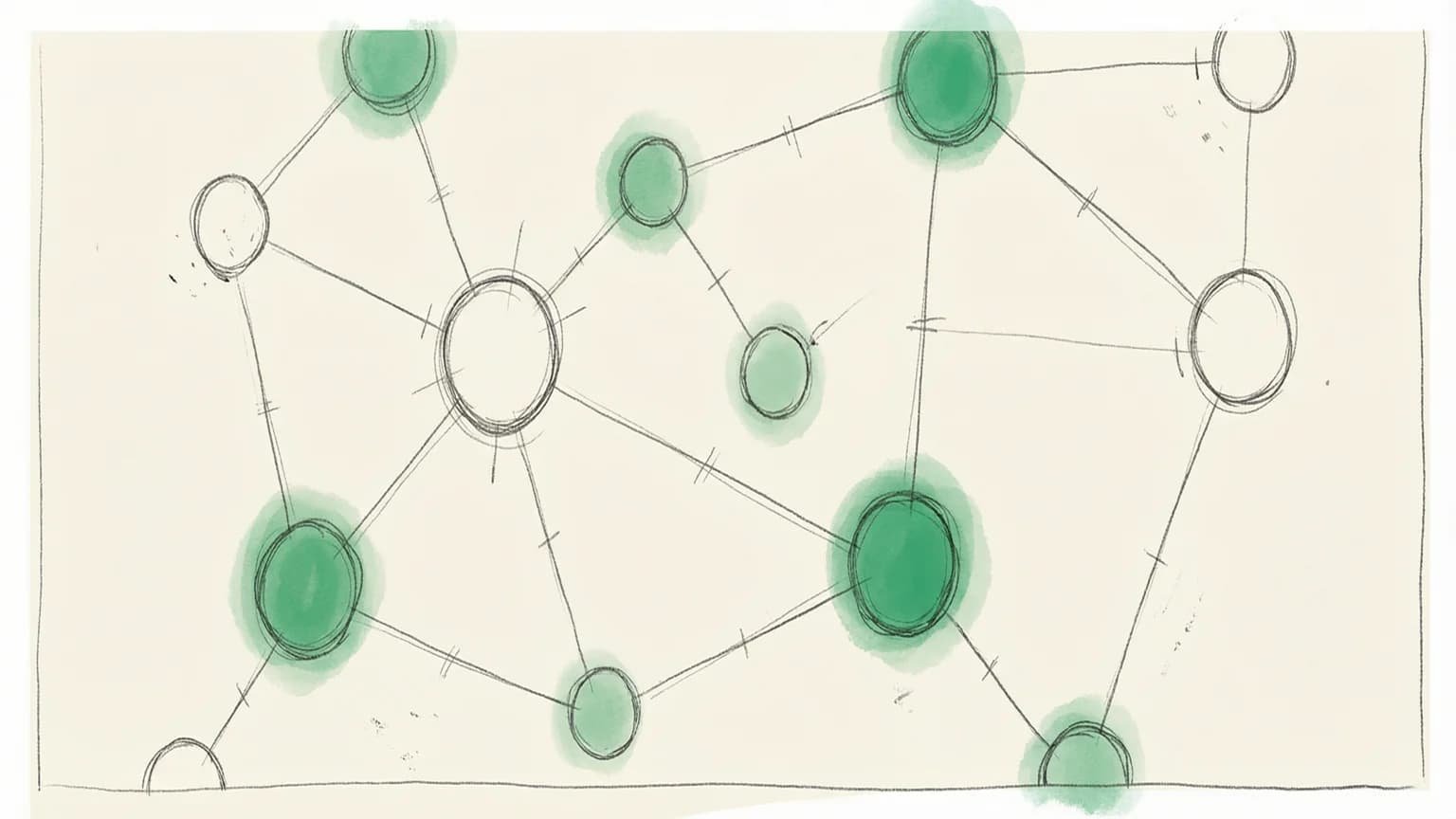
The Hidden Complexity of Scaling AI-Assisted Development
The tools that make individuals productive with AI can actively harm team collaboration if not redesigned for sharing. Here's a framework for getting it right.
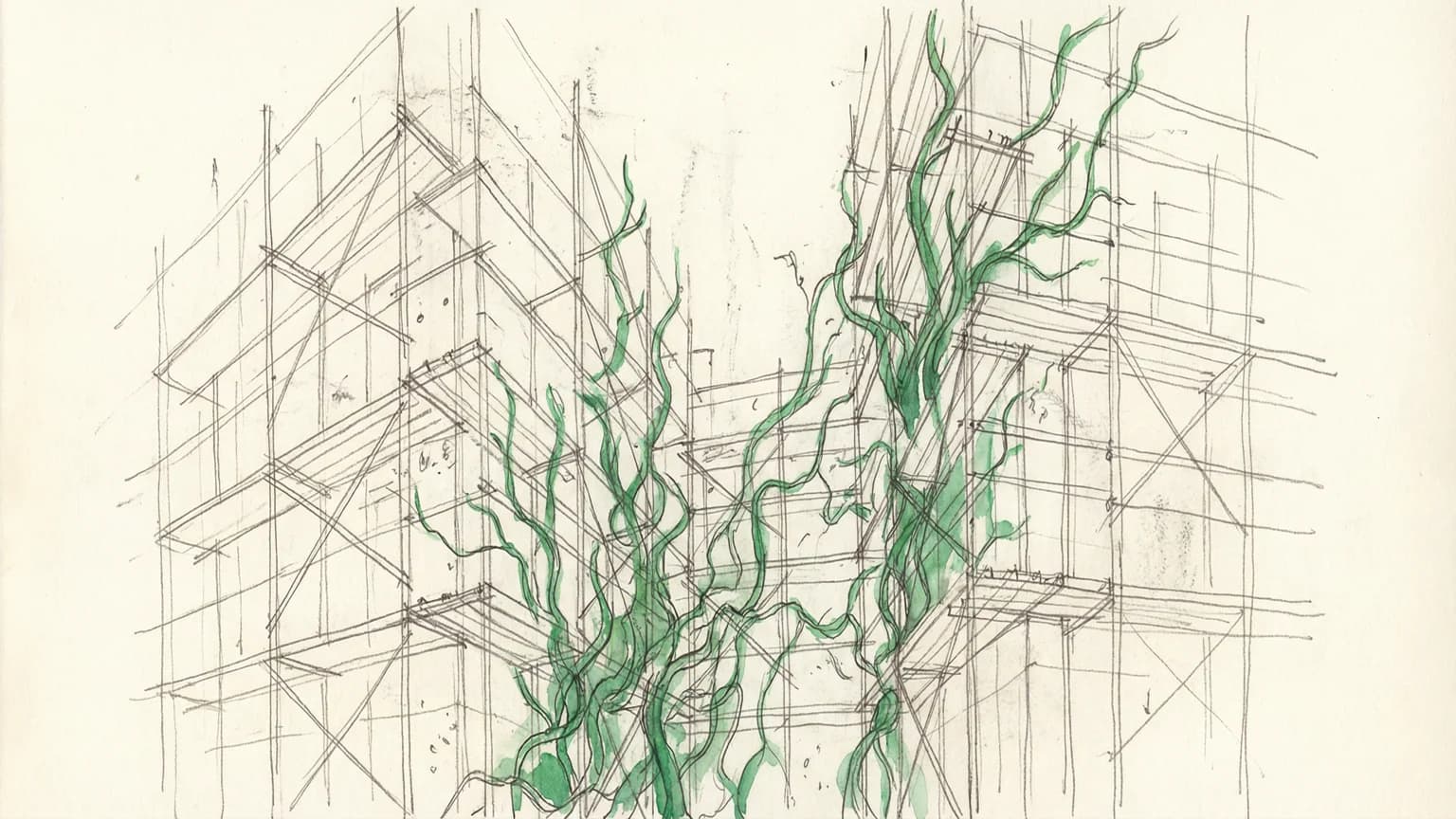
How I Built This Website
How I built samzoloth.com using Next.js, Claude Code, and an obsessive attention to interaction design.
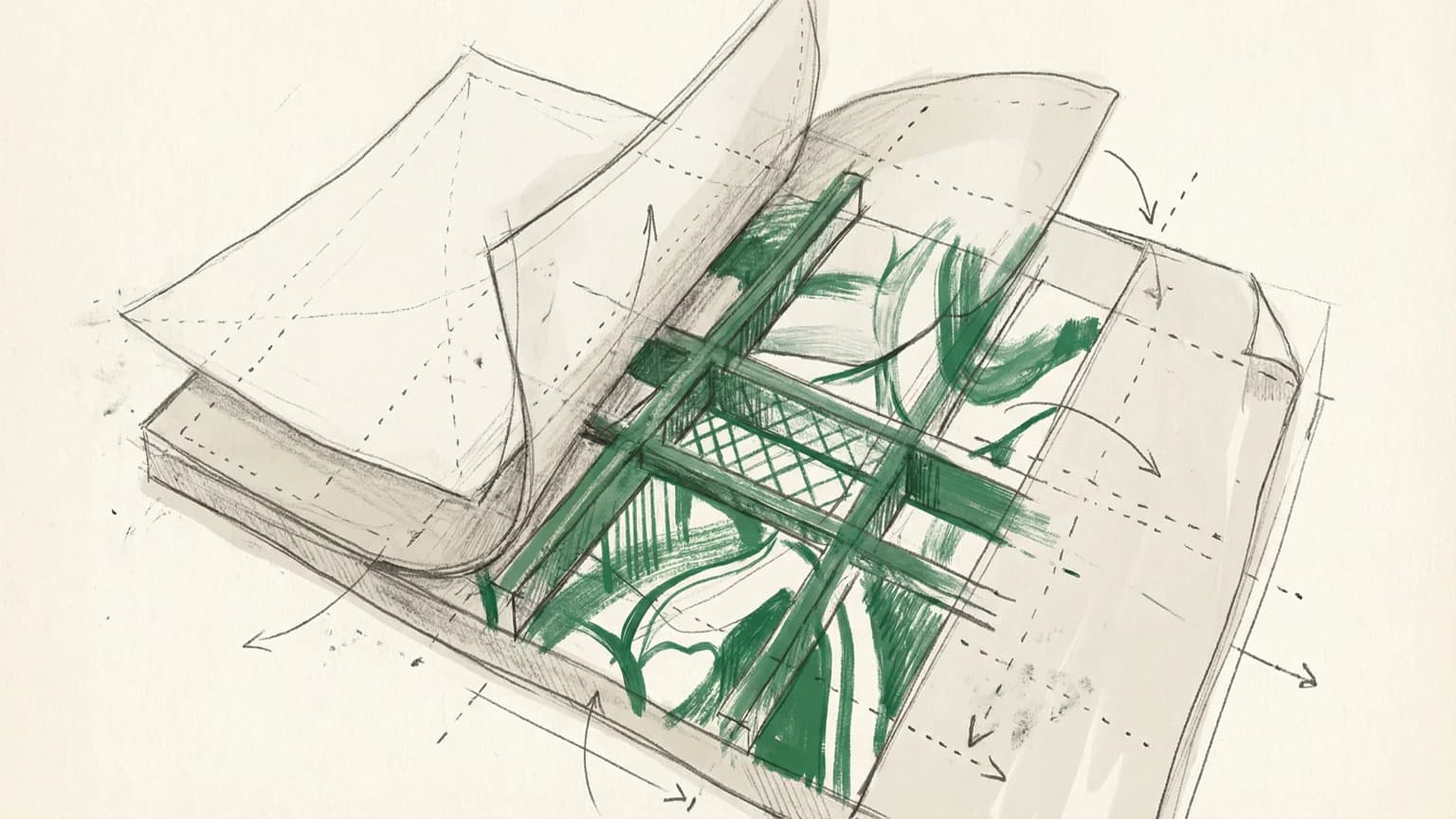
Making of the DreamWorks Case Study
The challenges of documenting a live engagement, balancing confidentiality with storytelling, and the technical decisions behind embedded prototypes.