DreamWorks Animation, through Amdocs Studios · 2024 to now

Artists stopped hunting for assets.

I led product for the platform DreamWorks Animation’s artists use to find, manage and reuse their work, from the first interview to launch. The team had been building whatever the latest feature request asked for. I gave them a North Star based on what artists actually do, and we shipped toward it in small slices.

<1 minto find an asset
Before
After
Drawn to scale. Before: 15 to 30 minutes digging through drives and asking around. After: under a minute in timed sessions.
81%voluntary adoption
Of more than 1,000 artists, with no mandate to switch. One dot is one artist.

What I walked into

Twenty years of work, and every department meant something different by “asset.”

A film’s models, paintings, layouts and concept art lived in separate tools, old drives and people’s heads. Artists were acting as archivists. The product team measured logins and page views, without knowing which were real artists and which were test accounts.

Each department needed its own view of the same library. So the job was a platform with workflow-specific views on one system of record, shipped one department at a time.

ModelingVariants side by side, multi-show access
PrevizTags instead of folders, shortcuts taught in context
Final LayoutPersonal and public collections
DigiMattePreviews before opening 20 GB files
ArtSearchable archive with clearance status
CrowdsA search I built for the department

● shipped to production

Three calls

Three calls that shaped the platform.

Call 1
The pull: match the incumbent’s AI search

Win on workflow first, and close the AI gap later.

The incumbent Modeling tool had a four-year head start on AI search. Chasing parity would have meant 18 months with nothing to show. We shipped what it couldn’t do: character variants side by side, several shows at once, and Windows support. The Product Owner was skeptical of the variants view until he saw it working, then became its strongest advocate.
Call 2
The ask: let an asset live in more than one folder

Drop the folders. Let every search term become a filter.

Previz artists reuse one asset across many sequences, and a folder can only hold it once. Instead of more flexible folders, search terms turn into tags that stack, and hierarchy becomes optional.

“I thought search would just be like anything you search turns into a tag, and you just keep searching things. Feels natural.”Previz artist

Call 3
The risk: migrating slows the team down

Give Final Layout a reason to move: collections.

The supervisor was blunt: without collections, migrating would slow her team down. Personal and public collections let artists lay out assets before a shot opens, the way a cook preps before service. Collections made the move worth it.

“Personal: ones that I just did because I wanted to do these three shots. Public: certain kinds of bushes that we set dress in many locations throughout a movie.”Final Layout supervisor, who called it “perfect”

The North Star

One number the team could steer by: how long it takes an artist to find, open and use the right asset.

Before

  • Logins and page views, reported to leadership
  • No split between artists and test accounts
  • Roadmap set by the latest request

After

  • Time to find, open and use, per department
  • Adoption targets per show, held for four weeks
  • “Are we measuring real users?” asked in planning
find→open→use

DreamWorks leadership asked for the framework to be used by every development team at the studio.

Where AI earned its place

Two deep dives on adding AI without guessing.

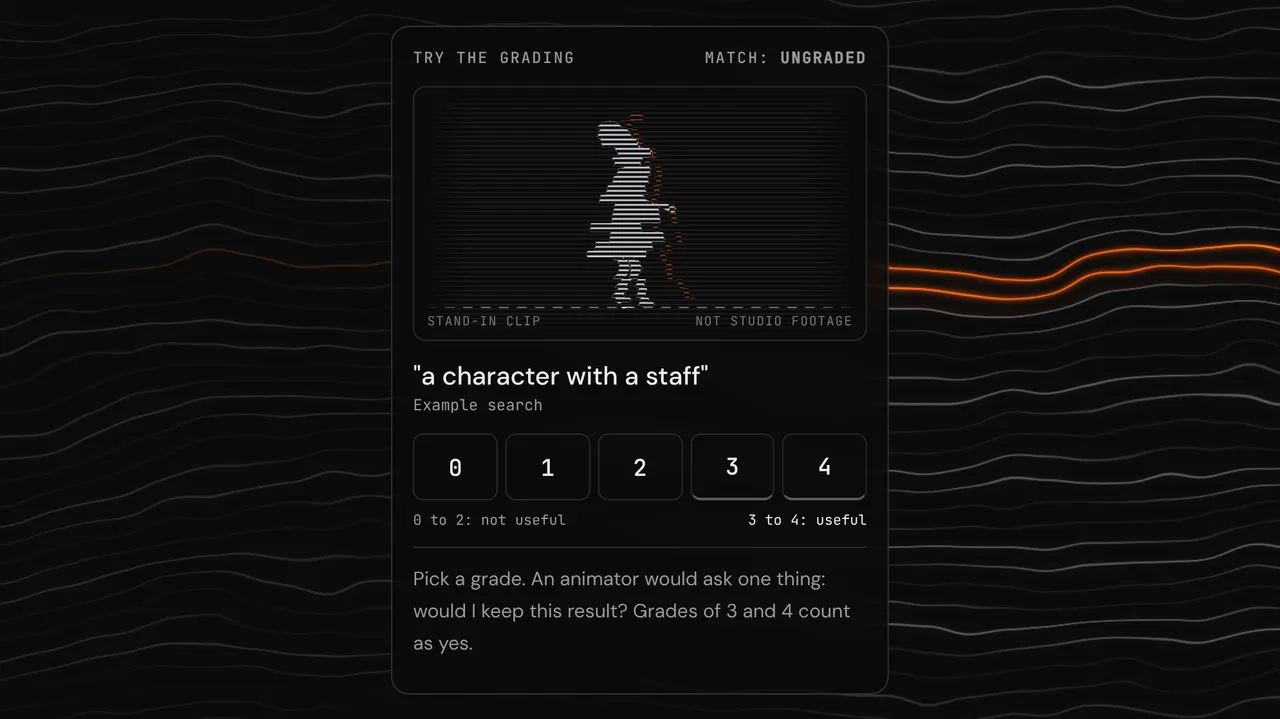
The grading card from the video search page: a stand-in clip, the search “a character with a staff” and grades 0 to 4

Before choosing an AI video search tool, I had animators grade it blind.

One automated judge had graded 1,460 results. I told leadership that couldn’t support a pick, and two animators graded 57 clips blind.

Read the grading →
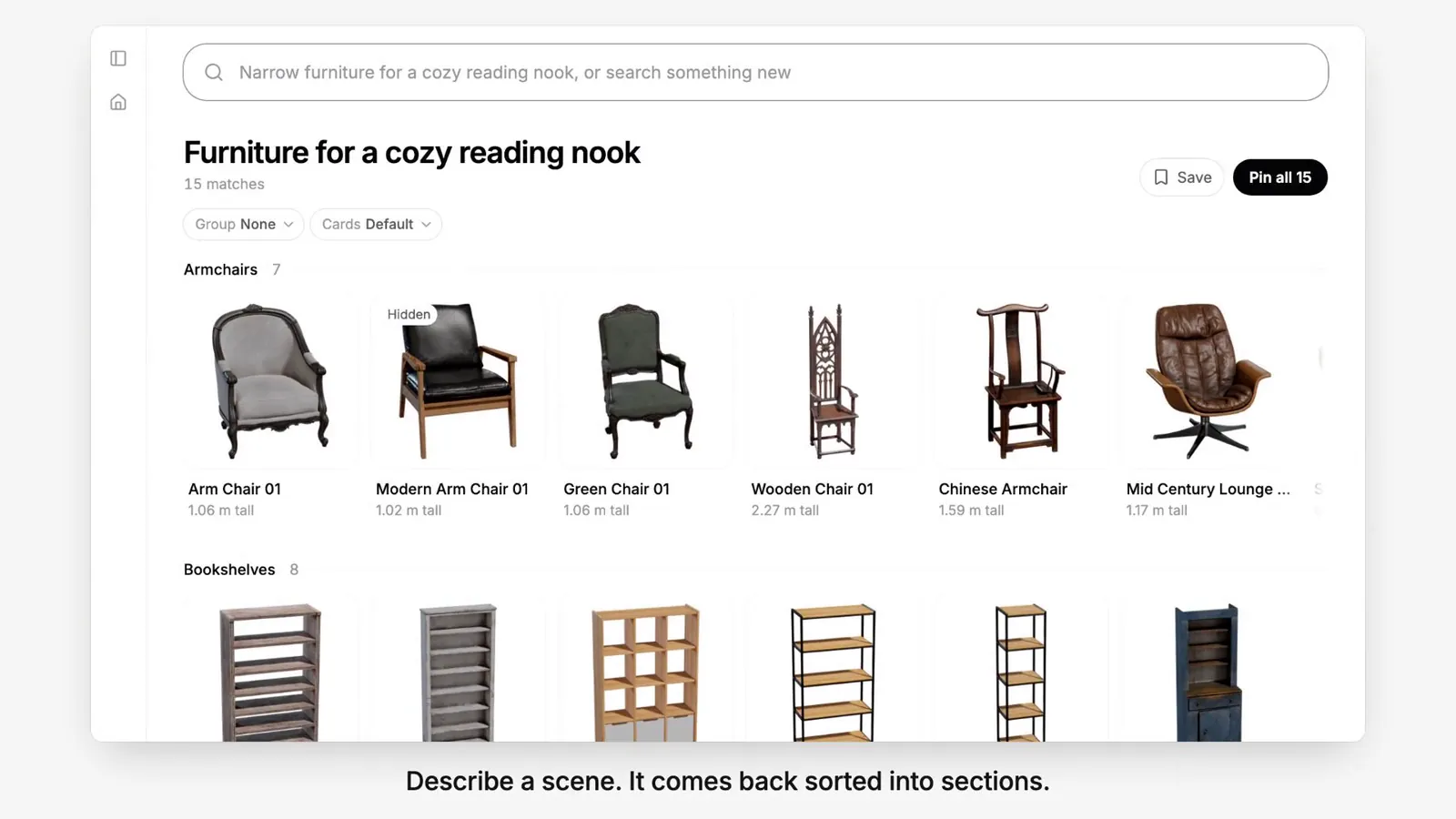
Asset search prototype showing furniture for a cozy reading nook

Asking for all the chairs.

A modeler wants every chair and nothing that isn’t one. I designed and built a search that returns a set with a count, not a ranked list.

Try the prototype →

What people said

“Transformed the way they do engineering… designing for the needs of their creators instead of iterative guesswork.”VP of Engineering, DreamWorks Animation

“I think very soon, we’re gonna deprecate our Previz library. We will solely rely on [the new platform].”Previz supervisor

“That kind of workflow is not something we could have done before… so that’s a whole new workflow that we’re using on this show.”Ted Boyke, Final Layout supervisor

What I learned

What I’d do again, and what I’d do sooner.

Check the mandate with everyone in the chain.

Our sponsor hired us to change how the team built products and hadn’t told his direct report. We spent months working in the gap between sponsorship and authority.

Show mockups, not methodology.

The Product Owner engaged when I brought lo-fi screens instead of talk about discovery. I stayed flexible on how discovery happened and firm on whether it happened.

Trust compounds.

The North Star started as a side project I pitched three times before it stuck. Each small win bought permission for the next bigger one.

← Back to the DreamWorks chapter